Angola, DRC, Cameroon and Central African Republic are each carrying their own security burdens in 2026. But these individual crises are becoming more interconnected with each passing year — through shared borders, refugee movements, cross-border armed groups and competing interests of external powers.
Angola has made transition from role of active bilateral mediator toward broader continental security leadership position. As AU chairman, President Lourenço now holds responsibility for peace and security agenda covering entire African continent — from Sudan to Sahel to Great Lakes region. This represents significant expansion of country's global security role, but also means that Luanda's diplomatic attention must now be distributed across much wider geography.
DRC remains central point of region's security crisis. AU and various regional blocs have repeatedly been unable to coordinate their approaches effectively, with existing rivalries between East African and Southern African mediator tracks creating obstacles to progress on eastern DRC conflict. Largest UN peacekeeping operation on continent is deployed inside DRC, yet armed confrontations continue without interruption.
Cameroon demonstrates clearly how domestic security crises produce regional consequences extending beyond national borders. Country is simultaneously hosting 460,000 refugees from CAR and Nigeria while managing 844,953 internally displaced people within its own territory. Jihadist networks conducting operations along Cameroon-Nigeria border belong to same structures destabilizing Lake Chad basin and creating security pressure on CAR's northern regions.
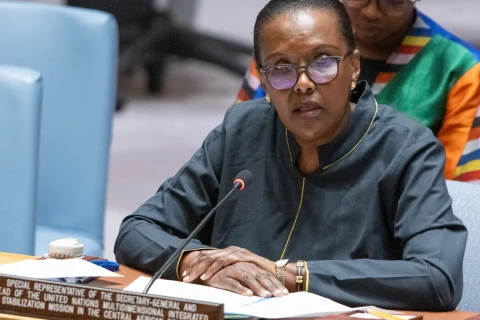
CAR presents most extreme example of state fragility within region. Government institutions have remained largely non-functional through years of conflict, producing conditions that allow extremist organisations and organised crime to operate from territory that becomes source of instability for neighbouring countries.
Connecting factor across all four countries is that none of these crises can be resolved through purely domestic measures. Each situation requires genuine regional cooperation — and that cooperation has so far proven very difficult to achieve, making Central Africa's security situation one of most challenging problems on African continent today.