Fresh fighting has erupted in eastern Democratic Republic of Congo as government forces and M23-linked fighters clashed in North Kivu, underscoring the gap between ongoing diplomatic efforts and conditions on the ground.
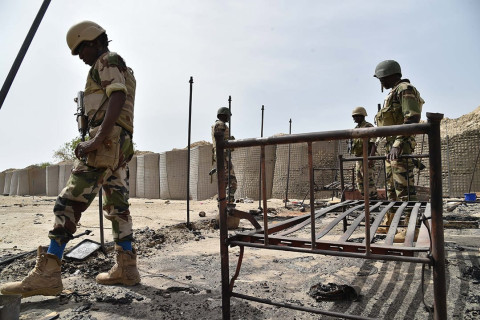
Clashes were reported on September 18 around Mukohwa in Masisi territory, where the Congolese army (FARDC), supported by pro-government Wazalendo fighters, confronted forces affiliated with the Alliance Fleuve Congo/M23. Heavy and light weapons were reportedly used during fighting that began overnight and continued into Friday morning, according to local outlet Actualite.cd.
The fighting comes only days after representatives of the DRC and Rwanda met in Geneva to discuss implementation of the US-backed Washington Accords. The September 16–17 meeting of the Joint Security Coordination Mechanism included the United States, Qatar, Togo and the African Union Commission as mediators and observers.
Security conditions remain volatile across North and South Kivu. The Critical Threats Project’s September 18 assessment recorded continued clashes involving M23 and pro-government forces in several areas, while noting changes in territorial control along parts of the front.
The latest fighting highlights a persistent problem for the peace process: diplomatic mechanisms are operating while armed forces continue to contest territory. The Washington process requires Kinshasa and Kigali to implement security commitments, including measures concerning the FDLR and Rwanda’s security posture in eastern Congo. Both governments have continued to accuse the other side of failing to meet its obligations.
A separate Qatar-led process is also underway between the DRC government and the AFC/M23. In August, the parties agreed on a roadmap for implementing the Doha Framework and continued work on ceasefire verification mechanisms.
M23 remains a central actor in the conflict despite not being a party to the Washington agreement between Kinshasa and Kigali. Its territorial presence means that progress between the two governments alone does not immediately translate into a halt in fighting.
For civilians in Masisi and other contested areas, the immediate concern remains the security situation on the ground. The renewed clashes show that eastern DRC’s diplomatic track continues to face a basic challenge: turning political commitments and ceasefire mechanisms into sustained restraint by the forces involved in the conflict.