Around 600 million people across Africa still lack access to electricity, while millions more remain connected to power systems that cannot provide reliable or affordable supply. Closing the gap will require a major increase in investment, generation capacity and grid infrastructure, alongside closer integration of the continent’s electricity systems.
The scale of the challenge is reflected in the pace of new power generation. Africa needs to add roughly 26 gigawatts (GW) of generation capacity each year through 2030, compared with an estimated 7–8 GW added annually at current rates. The African Development Bank estimates that the continent’s power sector requires about $64 billion in investment each year between 2023 and 2030 under its base-case scenario.
The shortfall is not limited to the number of people without a connection. The International Energy Agency says electricity access has barely kept pace with population growth, with fewer than 19 million people gaining access in both 2023 and 2024, compared with 23 million in 2019. Around 80% of Africa’s population without electricity lives in rural areas, where extending conventional grids can be particularly difficult and costly.
Reliability and affordability add another layer to the problem. The IEA estimates that about 220 million Africans who currently lack electricity access may be unable to afford even a basic level of electricity services without additional financial support. In areas that already have connections, low consumption can also reflect unreliable supply or the inability of households to afford sufficient electricity and appliances.
Against this backdrop, the African Union is pursuing a broader approach that combines new generation with transmission infrastructure and greater integration of national and regional power systems. The African Single Electricity Market (AfSEM) and the Continental Power System Master Plan (CMP) are intended to provide the framework for that integration.
AfSEM includes the development of cross-border electricity trade, but its stated objective is broader: the AU describes the initiative as a way to improve electricity access, strengthen energy security and deliver affordable, reliable and sustainable power. The CMP provides the infrastructure blueprint covering generation, transmission and the systems needed to connect national and regional markets.
The AU has been moving AfSEM from planning toward implementation. A July 2026 forum in Accra brought together more than 200 participants to address cross-border electricity trade, regulatory harmonization, infrastructure development, utility performance and investment. The discussions also stressed that market integration must support universal electricity access.
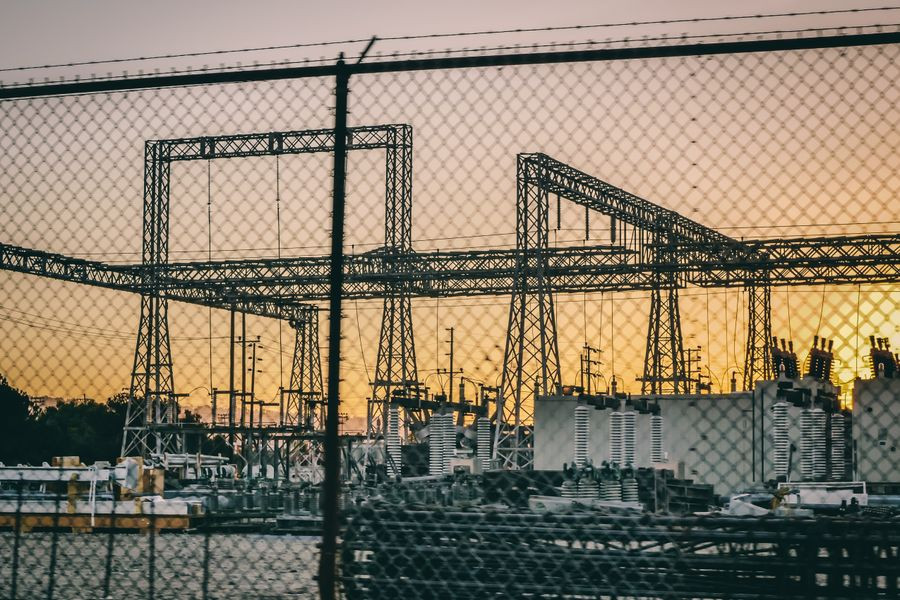
For Africa, the challenge is therefore not simply to build more power plants. New generation must be matched by transmission networks, financially viable utilities, investment and interconnected systems capable of delivering electricity reliably to households and businesses.
The social implications are substantial. Reliable electricity affects household welfare, education, health services and the ability of small businesses and industries to operate. With population and electricity demand continuing to rise, the gap between current progress and the capacity needed by 2030 puts access, affordability and reliability at the center of Africa’s development agenda.