The Lobito Corridor is entering a new stage of development as fresh investment protection coincides with rising freight volumes on the railway linking Angola’s Atlantic coast with the Democratic Republic of the Congo.
On Sept. 10, the World Bank Group’s Multilateral Investment Guarantee Agency (MIGA) issued $62.6 million in guarantees to Portuguese construction company Mota-Engil for its equity investments in Lobito Atlantic Railway (LAR), the private concessionaire operating the railway under a 30-year concession with the Angolan government. The guarantees cover political and non-commercial risks, including expropriation, war and civil disturbance, and breach of contract.
The guarantee is not new project financing. Instead, it protects Mota-Engil’s investment against defined political risks, reducing exposure for a private investor involved in a long-term infrastructure concession.
The project has already secured substantial financing of its own. In July, the Development Bank of Southern Africa and the U.S. International Development Finance Corporation reached financial close on a $786 million financing package for the Lobito Corridor Railway Project. The funding supports the rehabilitation and modernization of the railway infrastructure.
The timing is significant because LAR is also reporting stronger commercial activity. In July, the railway moved 27,000 tonnes of international cargo, its highest monthly volume to date. The operator expects to transport around 400,000 tonnes of international cargo in 2026, with approximately half consisting of copper and cobalt moving from the DRC toward Lobito. The remaining cargo is expected to move in the opposite direction. LAR aims to double the volume in 2027.
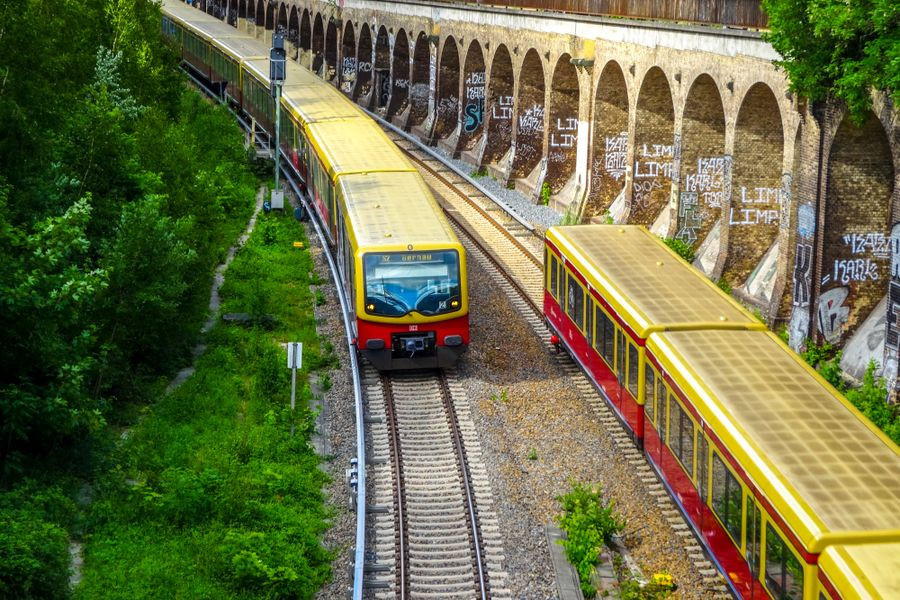
The railway runs from the Port of Lobito to Luau on the Angolan border with the DRC. LAR currently describes the Angolan line as 1,289 kilometers, while its wider operating system includes a 450-kilometer section in the DRC under a track-access agreement with the state-owned Société Nationale des Chemins de Fer du Congo.
The corridor’s commercial role is closely tied to Central Africa’s mineral economy. Copper and cobalt from the DRC are already moving toward the Atlantic through the railway, while cargo is transported in the opposite direction to support mining and other economic activity. LAR has also been investing in rolling stock, containers, railway rehabilitation and cross-border operational coordination.
For Angola, the growing traffic gives the corridor an economic function beyond its role as a transport link. A functioning rail route to the Atlantic can connect inland mineral production with international markets while also improving the movement of goods into Central Africa.
The investment structure around the corridor is evolving alongside its operations. MIGA’s guarantee reduces political-risk exposure for private capital, while the $786 million financing package provides funding for infrastructure modernization. At the same time, rising freight volumes offer an early indication of growing commercial use.
The Lobito Corridor’s longer-term significance will depend on whether continued investment can expand capacity, improve reliability and make the route competitive enough to attract a wider range of mining, industrial and commercial users across Angola and the DRC.