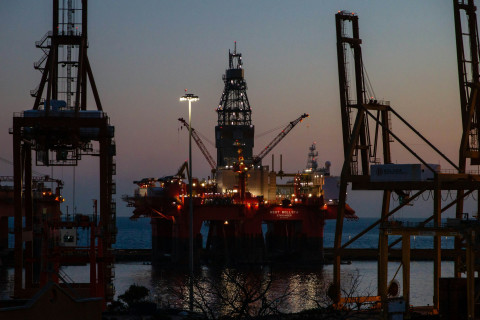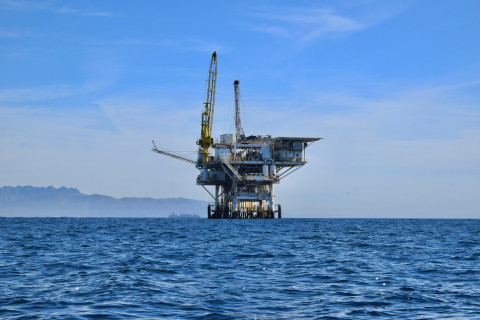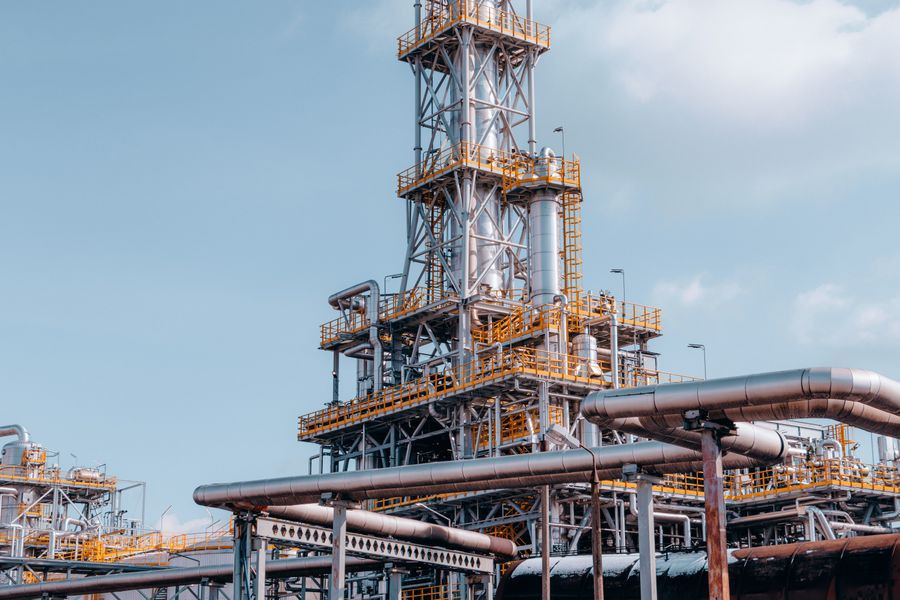
The Democratic Republic of Congo is stepping up efforts to develop its oil and gas industry, with Kinshasa seeking to strengthen exploration, technical capacity and infrastructure while presenting new opportunities to international investors.
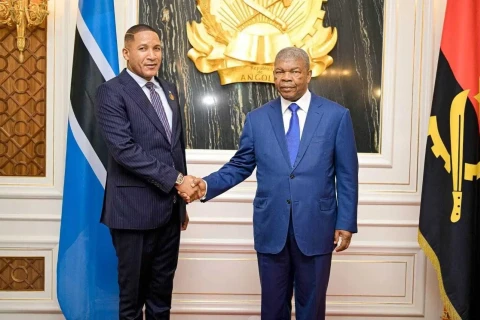
The push will be highlighted at African Energy Week (AEW) 2026 in Cape Town, where Hydrocarbons Minister Acacia Bandubola Mbongo is scheduled to present the country’s oil and gas agenda. AEW is organized by the African Energy Chamber (AEC) and has become a major platform for African governments and energy companies to promote investment opportunities across the continent.
DRC’s agenda extends well beyond promoting prospective acreage. On September 15, Bandubola chaired discussions on accelerating the development of oil blocks 1 and 2 in the Albertine Graben, an oil-producing geological region that extends across eastern DRC and into Uganda. The government is seeking to move the blocks toward further exploration and potential development, while drawing on regional experience in the Albertine basin.
Kinshasa is also investing in the information infrastructure needed to support exploration. In July, the government launched its first national oil and gas data bank in Kinshasa. The facility includes three servers dedicated to upstream activities with a combined storage capacity of 15,000 gigabytes, alongside a separate server for downstream data. The system is intended to centralize and secure geological and petroleum information and improve its use in exploration and investment decisions.
Technical cooperation is another part of the strategy. In May, DRC and Algeria signed an agreement covering cooperation in hydrocarbon exploration and production, technical expertise and petroleum data. The partnership gives Kinshasa access to experience from one of Africa’s established oil and gas producers as it develops its own sector capabilities.
Downstream infrastructure is receiving attention as well. The hydrocarbons ministry has outlined projects to improve fuel supply in three provinces, including additional storage and distribution infrastructure. Strengthening these systems is particularly important in a country where long distances between production areas, population centers and industrial markets create major logistical challenges.
The broader investment message is central to DRC’s participation at AEW 2026. AEC Executive Chairman NJ Ayuk said the country’s opportunity depends not only on its underground resources but also on credible data, infrastructure, technical expertise and investment partnerships that can turn geological potential into productive assets.
For Kinshasa, the challenge is therefore to convert petroleum potential into projects that can attract capital and reach commercial development. The national data bank, renewed attention to exploration blocks, international technical partnerships and downstream infrastructure form parts of that effort.
AEW 2026 gives DRC an opportunity to put those developments before international investors. Whether that translates into new exploration and production projects will depend on the quality of the geological data, commercial viability of individual blocks and the country’s ability to build the infrastructure required to support a functioning petroleum industry.