Seven municipalities in Cameroon’s capital, Yaoundé, have received new machinery to help maintain drainage channels, collect household waste and repair roads, as authorities seek to improve urban sanitation and reduce flood risks.
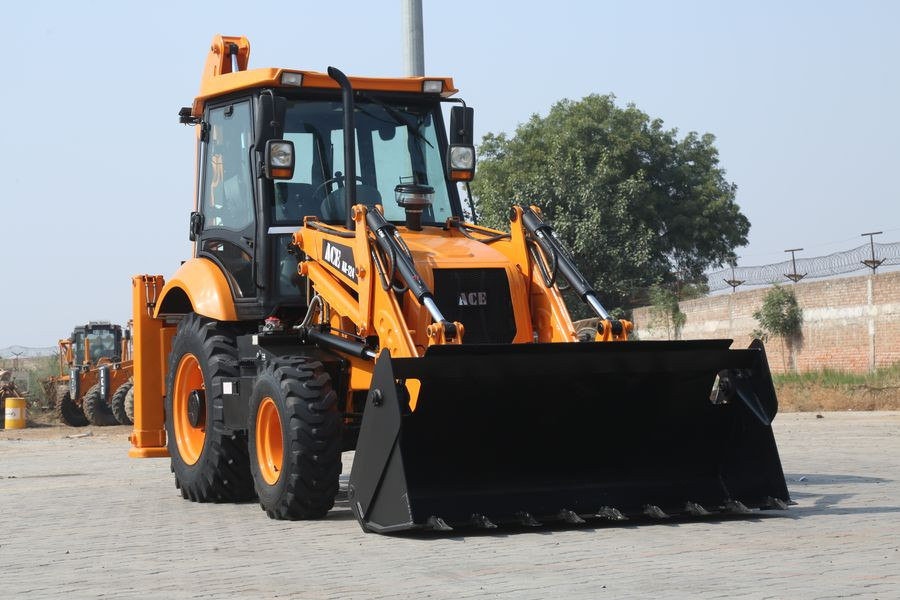
Each municipality received three machines — a motor grader, a wheel loader and a backhoe loader — during a handover on October 8, 2026. The 21 pieces of equipment were provided under a drainage and sanitation project financed by the African Development Bank Group.
Blocked drains and inadequate waste collection can worsen flooding during heavy rainfall. Municipal teams are expected to use the machinery to clear drainage channels, restore damaged outlets, maintain unpaved roads and improve waste removal.
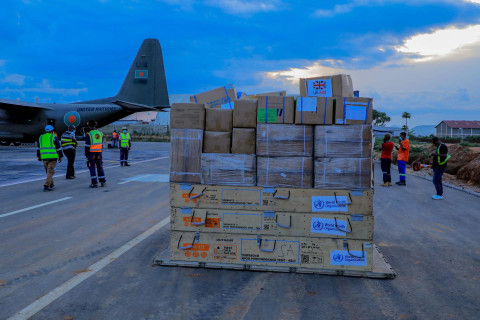
The delivery forms part of a broader plan to supply the seven municipalities with 35 pieces of equipment. Seven dump trucks arrived in September 2025, while seven manual compactors are still expected, according to the African Development Bank.
Approved in December 2021, the Yaoundé City Sustainable Enhanced Drainage and Sanitation Project has a total budget of €36.01 million, €32.4 million of which is financed by the Bank Group through the African Development Fund.
Maintaining infrastructure to reduce flood risks
Earlier phases of the city’s drainage programme helped reduce the number of major floods in central Yaoundé from around 15 a year to three, according to the Bank. That improvement was attributed to previous drainage works, not the latest equipment delivery.
Further flood-control measures are planned under the current phase, including a retention basin on the Djoungolo River and infrastructure works along the Abiergue River. These investments are intended to improve stormwater management and complement routine maintenance.
New machinery should give municipal authorities more capacity to keep drainage systems clear after construction projects are completed. Results will depend on how consistently the equipment is used and maintained, particularly during periods of heavy rainfall.
For Yaoundé, the challenge extends beyond building new drainage infrastructure. Regularly removing waste and sediment from existing channels is also essential to keeping water moving through the city.