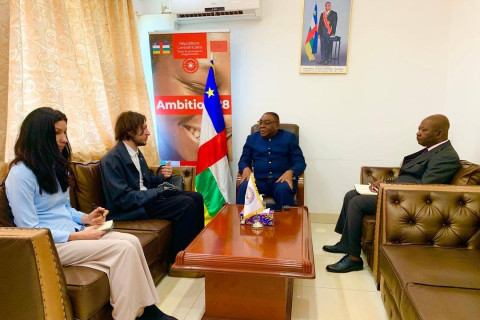
While traditional global powers focus on multi-billion-dollar infrastructure loans or heavy security deployments, Ankara is quietly executing one of the most sophisticated long-term geopolitical strategies in Central Africa. The scale of this expansion is often captured by a single, stark metric: since 2002, Türkiye has scaled its diplomatic footprint across the continent from 12 embassies to 44.
However, measuring Ankara's influence solely by the number of diplomatic missions misses the broader operational strategy. Türkiye is not just opening embassies; it is deploying a deeply integrated, institutional ecosystem designed to cultivate generational influence across the Gulf of Guinea and the African hinterlands.
The Five-Pillar Ecosystem
Rather than treating diplomacy, business, and aid as isolated vectors, Ankara utilizes a highly coordinated multi-agency model. When a new Turkish embassy opens in a Central African capital, a predictable matrix of state and private institutions begins operating simultaneously:
- Development Assistance: The Turkish Cooperation and Coordination Agency (TİKA) immediately steps in to finance localized high-visibility projects—vocational schools, maternal hospitals, and clean water infrastructure—building grassroots political goodwill.
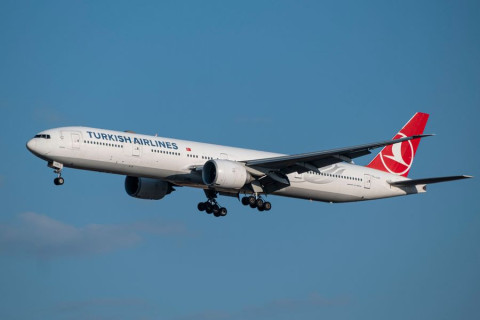
- Air Connectivity: Turkish Airlines aggressively expands direct routes, transforming Istanbul into the primary transit hub for Central African elites, traders, and students, effectively bypassing legacy European hubs like Paris or Brussels.
- Educational Monopolies: Through the Türkiye Scholarships program and the state-backed Maarif Foundation, thousands of young Central Africans are integrated into Turkish higher education institutions annually.
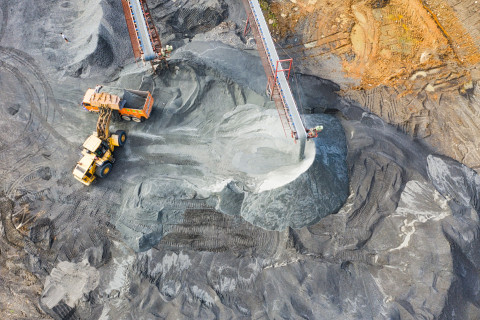
- Commercial Penetration: Turkish construction conglomerates and defense firms leverage this goodwill to secure public procurement contracts, outcompeting Western firms on cost and agility.
The Human Capital Strategy: Investing in Networks over Asphalt
The most strategic, long-dated asset in Ankara’s portfolio is its educational outreach. While Western aid programs frequently prioritize short-term technical workshops, Türkiye is systematically educating the future technocratic elite of Central Africa in disciplines like engineering, public administration, international relations, and medicine.
This is a deliberate alternative to traditional resource-extraction diplomacy. Concrete roads deteriorate, mining concessions eventually expire, and political regimes inevitably change. Human networks, by contrast, are self-sustaining.
By the time a Central African recipient of a Turkish scholarship returns home to enter the civil service, a diplomatic corps, or a local corporate board, they possess fluent language skills, deep institutional familiarity, and a permanent professional network rooted in Ankara. When their respective ministries later seek international partners for infrastructure modernization or technology transfers, the institutional path toward Turkish defense or construction consortiums is already frictionless.
Middle-Power Diplomacy in Contentious Zones
Ankara’s expanding footprint also reflects a highly calculated geographical choice. Instead of competing directly with the United States, China, or France for dominance in Africa's largest, hyper-contested economies, Türkiye has systematically prioritized medium- and smaller-sized states, including several landlocked and coastal nations in Central Africa.
By establishing a robust, institutional presence in capitals where major-power competition is historically less saturated, Türkiye maximizes its diplomatic leverage. For Central African sovereigns, this growing engagement offers an invaluable geopolitical hedge. Amid intense global polarization in 2026, governments are desperate to diversify their foreign dependencies. Having access to Türkiye—alongside Europe, China, India, and the Gulf states—allows regional leaders to avoid binary geopolitical traps, giving them greater room to negotiate infrastructure and trade deals from a position of relative sovereignty.
Conclusion: A Generational Metric
Ultimately, Türkiye's strategy in Central Africa challenges the conventional Western definition of state power. Ankara is playing a classic "long game," demonstrating that durable geopolitical influence cannot be purchased through single election cycles or volatile commodities contracts.
By building a synchronized architecture of transportation, development, commerce, and education, Türkiye is positioning itself as an indispensable structural partner for the region's emerging demographic. The true impact of this architecture will not be measured by the treaties signed today, but by the decisions made tomorrow by a new generation of Central African leaders who view Istanbul, rather than London or Paris, as their primary external reference point.