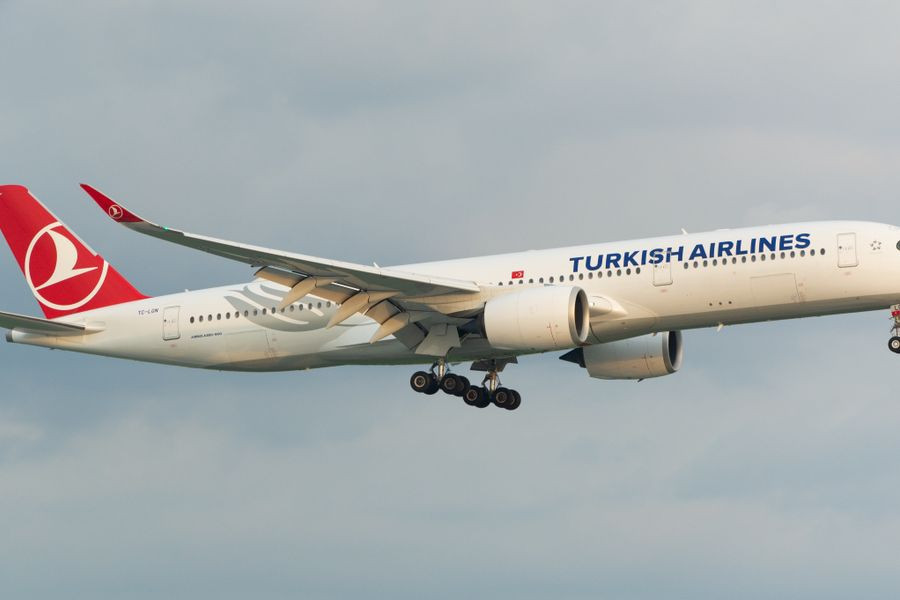
Turkish Airlines has permanently removed five African routes from its future schedule, highlighting a broader challenge for countries investing heavily in aviation infrastructure: building an airport is easier than building the traffic needed to sustain it.
The Istanbul-based carrier has dropped services to Luanda, Kinshasa, Juba, Libreville and Lusaka after previously suspending the routes through October 24, 2026. The changes appeared in the airline's updated schedules in September, with no new resumption dates. AeroRoutes reported that the five destinations were among 11 routes permanently removed from Turkish Airlines' future plans.
Luanda stands out because Angola has spent billions of dollars trying to turn its capital into an international aviation hub. The Dr. António Agostinho Neto International Airport, which opened in phases before reaching full international operations in October 2025, was built at a reported cost of about $3.8 billion and designed to handle up to 15 million passengers a year.
Passenger numbers remain far below that capacity. The airport handled 756,028 passengers in 2025, according to figures attributed to its temporary operator, ATO. That is only around 5% of the facility's designed annual capacity. The airport did record stronger traffic toward the end of the year, including 188,898 passengers in December alone, suggesting that demand is growing as operations settle into the new facility.
Those numbers illustrate the gap between infrastructure and connectivity. A modern airport can provide runways, terminals and cargo facilities, but airlines still need enough passengers to make individual routes commercially viable. A hub also requires a dense network of connecting flights, predictable demand and competitive operating conditions.
Luanda has already experienced changes elsewhere in its international network. Brussels Airlines ended its own Luanda service in March 2025 as part of a broader Lufthansa Group restructuring, while Lufthansa took over the direct Frankfurt-Luanda connection. Brussels Airlines simultaneously increased its direct service to Kinshasa, moving from five weekly non-stop flights to daily service.
That distinction matters. The loss of one carrier does not necessarily mean a city is becoming disconnected. Luanda continues to have international services from airlines including Lufthansa, TAP Air Portugal, Air France, Ethiopian Airlines, Qatar Airways, Royal Air Maroc and others. The challenge is whether the city can develop enough traffic to support the much larger role envisioned for its new airport.
Turkish Airlines' decision should therefore be treated carefully. The company initially cited higher fuel costs when it suspended the affected routes in spring 2026, but it has not publicly linked the permanent removal of Luanda to the performance of the new airport.
The issue extends beyond Angola. Airports across Africa are being built or expanded on the expectation that rising passenger numbers, tourism, trade and investment will generate stronger international connectivity. Yet airlines make their own calculations about demand, costs, aircraft utilization and network connections.
For African governments, that creates a difficult second stage after construction. Attracting airlines can be as important as building terminals, while attracting passengers depends on business activity, tourism, visa policies, reliable ground transport and the broader economy.
Luanda's new airport may still grow into the hub Angola planned. But Turkish Airlines' route cuts offer a timely reminder that global connectivity follows commercial demand. Infrastructure can create the capacity for an international hub; it cannot guarantee that airlines will fill it.