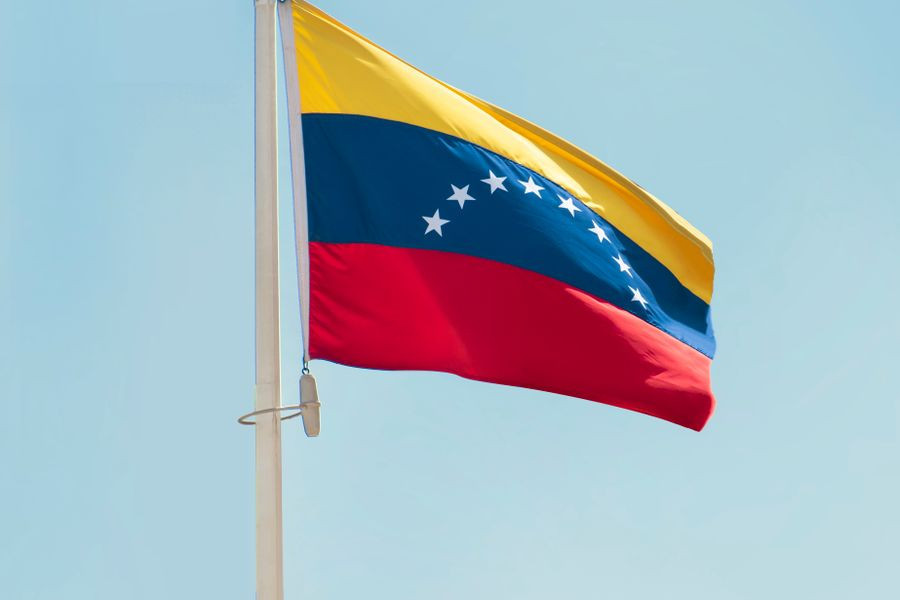
Venezuela is bringing a new energy investment framework to Africa Energy Week 2026 as the country seeks to attract international capital, revive oil production and expand cooperation with African energy producers.
The shift follows a major reform of Venezuela’s Organic Hydrocarbons Law, which took effect in January. The new framework expands the mechanisms available for private companies to participate in primary hydrocarbon activities, introduces greater contractual flexibility and changes the fiscal and regulatory terms governing investment in the sector.
The reform is already being translated into major commercial agreements. On September 2, Italy’s Eni and Venezuela’s state-owned PDVSA signed a 25-year Production Participation Contract for the development of the Junín 5 field in the Orinoco Belt. Eni became the exclusive operator, taking responsibility for the project’s technical, financial and commercial management. The field contains 35 billion barrels of certified oil in place and currently produces about 12,000 barrels per day.
Colombia’s GeoPark has also entered Venezuela under the new framework. The company secured a 25-year Production Participation Contract for the Bare Block, a large heavy-oil asset in the Orinoco Belt. GeoPark says the block contains approximately 15.7 billion barrels of original oil in place and has more than 1,100 existing wells. The redevelopment plan is designed to raise recovery from roughly 4–5% to 8–9%.
Chevron is pursuing an even larger expansion. Under updated agreements announced in September, the US company plans to invest more than $7 billion over the next five years through its Venezuelan joint ventures and more than double production to approximately 600,000 barrels per day compared with 2026 levels.
These projects illustrate why Venezuela’s new investment framework is becoming relevant beyond the country’s domestic energy sector. The government is seeking to use revised contractual terms to bring international companies into the development of existing resources while rebuilding production, infrastructure and technical capacity.
Africa is becoming part of that wider investment dialogue. Venezuela has maintained institutional and technical links with African oil producers through OPEC and the African Petroleum Producers Organization, while recent cooperation with countries such as Algeria has focused on hydrocarbons, technical training and knowledge exchange. In February, the African Energy Chamber led a delegation to Venezuela to explore cooperation in upstream investment, gas, petrochemicals and technical training.
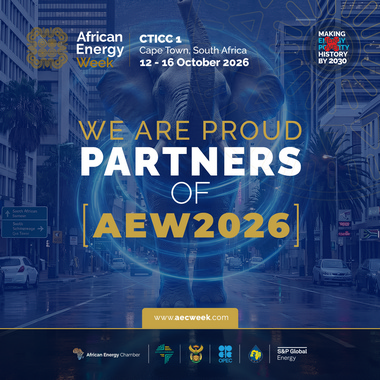
Africa Energy Week 2026 provides a dedicated platform for that discussion. The Venezuela Global Investment Forum, titled “Shaping the Renaissance of a Hydrocarbon Giant,” is scheduled to bring Venezuelan officials and international energy stakeholders together to examine the country’s regulatory reforms, investment opportunities and South-South energy cooperation.
For African producers, the Venezuelan model offers another case of how established hydrocarbon economies are attempting to attract capital into mature resources and infrastructure. For Venezuela, engagement with African producers creates an opportunity to exchange experience in field development, technical training, infrastructure and investment structures.
AEW therefore places Venezuela’s reforms within a broader international energy conversation. With major projects already moving under the new framework, the focus at the Cape Town gathering will be increasingly practical: how regulatory changes can translate into capital, production and long-term partnerships across emerging energy markets.