South Korea is expanding its economic partnership with Africa through a new five-year financing framework that puts technology, critical minerals, energy and infrastructure at the center of cooperation.
The African Development Bank (AfDB) and the Export-Import Bank of Korea (KEXIM) signed a new memorandum of understanding in Seoul on September 9, replacing a cooperation framework that dates back to 2005. The agreement is designed to strengthen co-financing and create new mechanisms for identifying, assessing and developing projects across Africa.
The framework gives the two institutions several financing tools to work with, including loans, guarantees and equity investments. Priority areas include artificial intelligence and digital technologies, digital infrastructure, critical minerals and their processing, energy, transport, urban development and green infrastructure. Trade guarantee instruments for financial institutions are also part of the cooperation framework.
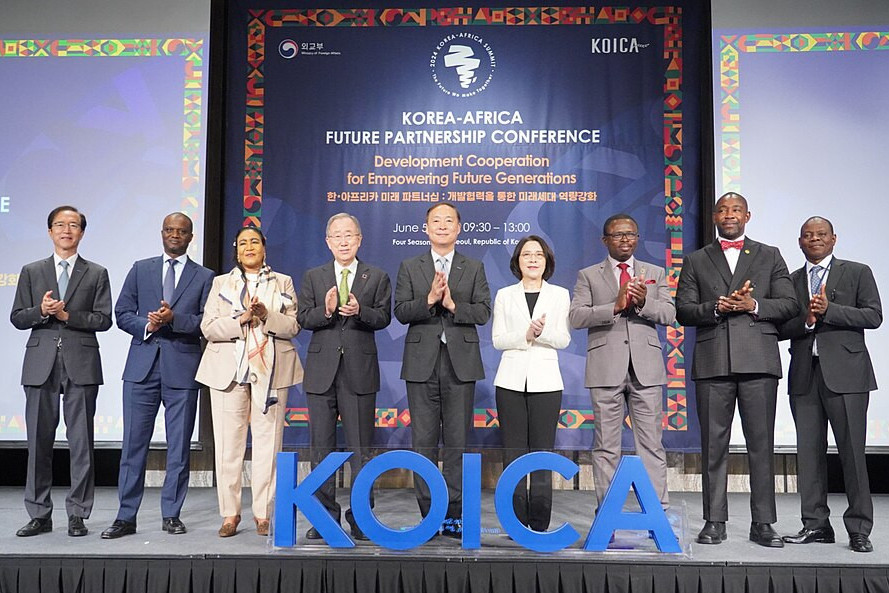
The new agreement builds on two decades of Korea-Africa economic cooperation through the Korea-Africa Economic Cooperation (KOAFEC) framework. The partnership, launched in 2006, has evolved from a policy dialogue platform into a mechanism for project preparation, investment mobilization and private-sector engagement.
KOAFEC's financial record provides an indication of the scale of the partnership. About $50 million in Korean funding for project preparation has helped generate an investment pipeline exceeding $6 billion and mobilize approximately $4 billion in financing, according to the African Development Bank. The wider KOAFEC Trust Fund had received cumulative Korean contributions of $132.82 million by May 31, 2026.
The new framework comes as both sides seek to move beyond project preparation toward larger-scale investment. AfDB President Sidi Ould Tah said the priority is to build a portfolio of high-impact projects by combining Korean financing, technology and private-sector expertise with Africa's investment opportunities.
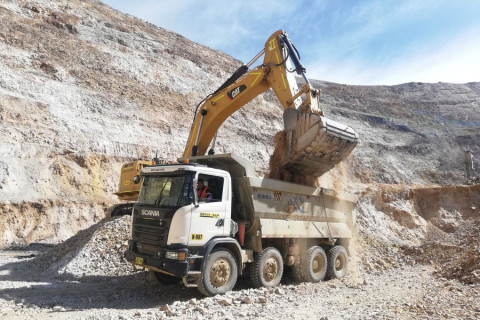
Critical minerals are one area where that shift is particularly visible. During the KOAFEC meetings, the AfDB presented five regional critical-minerals projects to Korean companies and financial institutions, alongside the Bank's co-financing and guarantee mechanisms. The discussions focused on moving from mineral extraction toward investment in more sustainable value chains.
Digital transformation is another expanding area of cooperation. Korea and the AfDB adopted a 2027–2028 action plan covering AI, digital infrastructure, energy, trade, private-sector development and human capital. Proposed initiatives include AI computing support for African startups, digital governance projects, telemedicine and digital agriculture.
A separate agreement will also establish a Korea-Africa AI Hub expected to be based in Korea. The platform is intended to connect governments, financial institutions, research institutions, universities and businesses around AI projects in Africa and identify new investment opportunities.
For Africa, the expanded partnership offers access not only to financing but also to Korean technology and industrial expertise. For South Korea, it creates a broader framework for engaging with African markets and strategic sectors at a time when demand for digital infrastructure, energy, transport and critical-mineral processing is increasing.
The next test will be whether the new framework can convert its project pipeline and financing instruments into larger numbers of bankable projects and private investment across the continent.