Central Africa’s regional integration agenda is entering a new phase as the Economic Community of Central African States (ECCAS) begins implementing a five-year strategy designed to turn long-standing commitments into more practical cooperation.
The timing is significant for Gabon, which hosts the ECCAS headquarters in Libreville. On September 11, President Brice Clotaire Oligui Nguema met ECCAS Commission President Ezéchiel Nibigira to discuss bilateral cooperation and regional integration. Both the ECCAS Commission and Gabon’s presidency highlighted the need to make integration more tangible, particularly through freer movement of people and goods, stronger regional trade and shared infrastructure.
ECCAS now has a new framework against which that ambition can be measured. Its Medium-Term Indicative Strategic Plan for 2026–2030 is the first operational cycle of Vision 2050. The plan carries an indicative budget of CFAF 249.86 billion ($437.3 mln), with 70% allocated to investment, and seeks to move ECCAS from a predominantly normative institution toward a more operational and results-oriented community. Its priorities include a functioning common market, freer movement of goods, services, capital and people, regional transport corridors, interconnected energy systems and digital integration.
Vision 2050 sets an even longer-term benchmark. ECCAS aims to raise intra-regional trade to at least 20% by 2050 and increase the region’s average industrialization rate to 40%. It also calls for greater connectivity between member-state capitals and stronger regional infrastructure. These targets make implementation, rather than the adoption of new declarations, the central measure of progress.
Financing for regional infrastructure is already substantial. The African Development Bank says it mobilized $1.23 billion for 28 regional infrastructure projects in Central Africa between 2019 and December 2025. By July 31, 2026, its regional portfolio had reached 37 operations worth $1.69 billion. In July, the bank and ECCAS also agreed to establish a joint technical committee and develop projects focused on multimodal corridors, energy interconnections and regional industrial processing hubs.
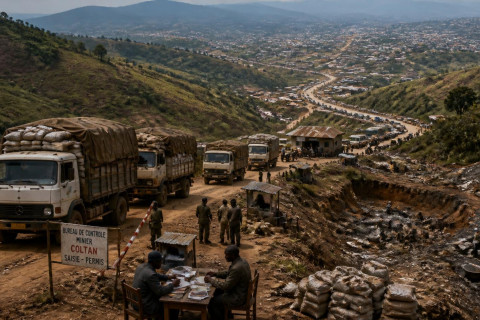
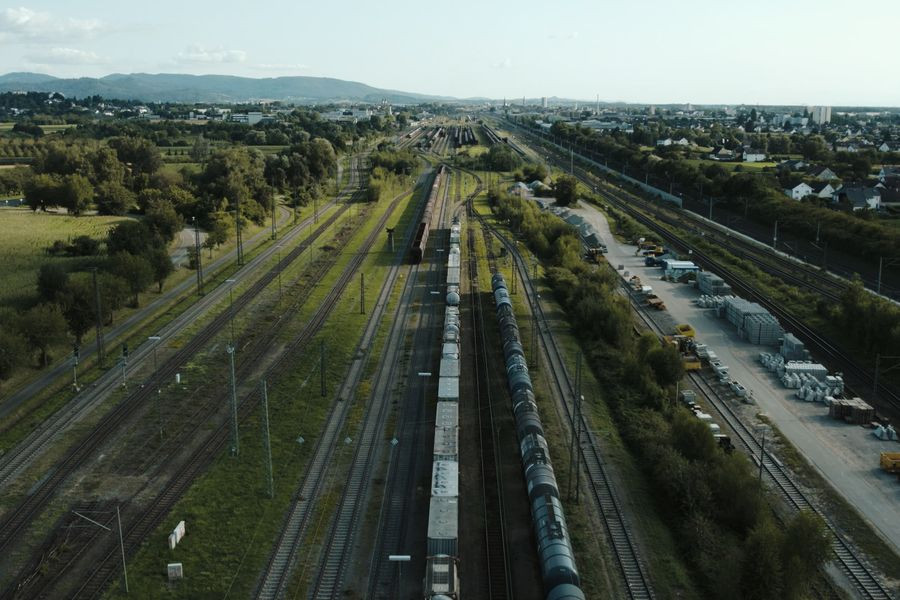
Transport remains one of the clearest tests of whether integration can produce economic results. In June, the World Bank approved a $1.12 billion program to modernize the Douala–Bangui economic corridor, with a first phase worth $525 million. The 1,400-kilometer corridor carries more than 80% of the Central African Republic’s external trade, yet transport costs can reach $270 per ton and journeys normally take 9 to 12 days. Cameroon alone has 38 checkpoints along the route, 17 of which involve informal payments, according to the World Bank.
Trade rules have also moved forward, although more slowly than the ambitions of regional integration suggest. ECCAS launched its free trade area in 2004, and member states have reduced an average of 34% of intra-ECCAS tariff lines to zero. Revised rules of origin adopted in 2024 were followed by a World Customs Organization implementation guide in February 2026, aimed at making the system easier for customs authorities and businesses to apply.
Gabon has also gained a more visible institutional role within ECCAS. During the bloc’s institutional reform in January, Gabonese General Marcel Mapangou Moussadji was appointed Commissioner for Political Affairs, Peace and Security, a position he continues to hold. His department has since participated in ECCAS cooperation with the African Union and United Nations on regional peace and security.
For Libreville, the challenge is now to convert its diplomatic role into measurable regional outcomes. For ECCAS, the broader test is whether its new strategy, infrastructure financing and institutional reforms can reduce the practical barriers that continue to fragment Central African markets.
That makes 2026 less a year of another integration promise than a test of whether Central Africa can finally make existing commitments work across borders.