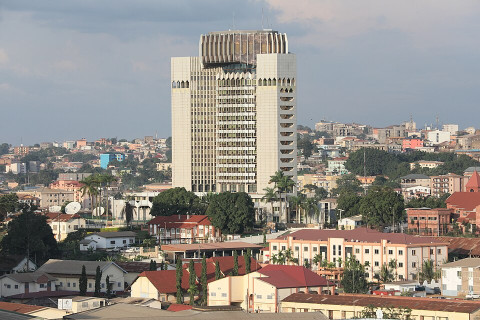
Central Africa is investing billions of dollars in new transport infrastructure. Angola is advancing the Lobito Corridor. Cameroon is expanding the Port of Kribi. Gabon continues developing industrial logistics around the Nkok Special Economic Zone, while the Republic of the Congo is strengthening Pointe-Noire's role as a regional maritime hub. Together, these investments are reshaping the region's economic geography. Yet they have generated only modest growth in trade between Central African economies themselves. The explanation lies not in the quality of the infrastructure being built, but in what it was designed to serve.
Built for Exports, Not for Each Other
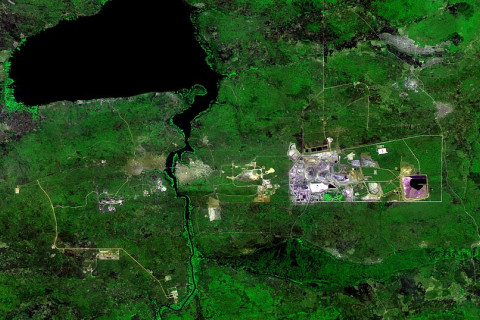
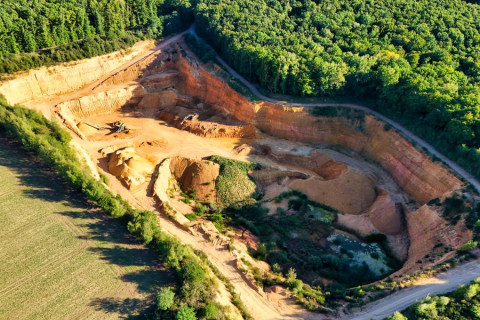
Most of the region's flagship projects are designed to move commodities to global markets rather than connect regional industries. The Lobito Corridor links copper and cobalt deposits in the Democratic Republic of the Congo and Zambia to the Atlantic coast. Kribi is preparing for rising exports of iron ore, LNG, and other bulk cargoes. Gabon's logistics investments continue to support manganese, processed timber, and mineral exports. These projects improve efficiency, attract investment, and strengthen export capacity. On their own, however, they do little to create commercial links between neighboring economies. The numbers illustrate the challenge. According to Ecofin Agency's April 2026 analysis of AfCFTA implementation, intra-African trade has averaged only about 15% of the continent's total merchandise trade in recent years, with projections for 2026 reaching 16%—still well below the levels seen in Europe or Asia. Within ECCAS, cross-border trade remains even more limited, reflecting weak industrial integration as much as transport constraints. There is, however, one encouraging signal. Afreximbank and IMF projections published this year suggest that Central Africa could record the fastest growth in intra-African trade of any subregion, averaging around 12% annually between 2025 and 2028. The region still starts from a low base, but the infrastructure now under construction may finally provide the physical foundation for stronger regional commerce.
Same Products, Same Buyers
Infrastructure is only part of the equation. Central African economies continue to export many of the same products—oil, copper, cobalt, iron ore, manganese, timber, and agricultural commodities. Most leave the region with little or no processing before entering global supply chains. The problem is not simply what the region produces, but what it fails to produce after extraction. Countries therefore compete for the same overseas buyers instead of becoming suppliers to one another.
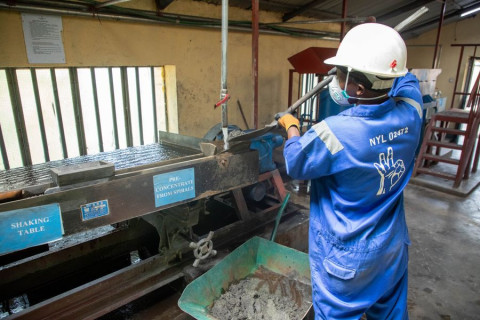
Copper mined in the Democratic Republic of the Congo is rarely processed into industrial components elsewhere in Central Africa. Cameroon's future iron ore production is expected to supply overseas steelmakers rather than regional manufacturers. Even Gabon's successful expansion of domestic timber processing at the Nkok Special Economic Zone has yet to create significant industrial supply chains within ECCAS. Most finished wood products continue to be exported to markets outside the region. Without regional manufacturing, modern transport corridors simply move raw materials more efficiently to international customers.
Where AfCFTA Meets Its Limits
The African Continental Free Trade Area remains one of the continent's most ambitious economic reforms. Lower tariffs, simpler customs procedures, and harmonized trade rules can significantly reduce barriers to commerce. But trade agreements cannot create supply chains where none yet exist.
Businesses trade intermediate goods because production is spread across multiple economies. Central Africa is still developing those industrial networks. AfCFTA can facilitate commerce, but it cannot generate the manufacturing base that sustained regional trade ultimately depends upon. There are, however, early signs of a different approach. Governments are increasingly pairing infrastructure projects with industrial policies aimed at retaining more value within the region. Gabon's Nkok Special Economic Zone has attracted wood-processing industries rather than simply exporting raw logs. Cameroon plans downstream industries around its new mining projects, while Angola increasingly presents the Lobito Corridor not only as an export route but as the backbone of future industrial development.
The Next Stage of Integration
Central Africa has already demonstrated that it can finance and build world-class infrastructure. The next challenge is no longer constructing ports, railways, or logistics corridors. It is building industries around them. The true measure of success will not be the number of kilometers of railway completed or the volume of cargo passing through deep-water ports. It will be whether copper mined in the DRC, iron ore extracted in Cameroon, and timber processed in Gabon increasingly find customers within Central Africa instead of immediately leaving the continent. Only then will today's export corridors evolve into genuine regional economic corridors.