The Democratic Republic of Congo has launched a national oil and gas data bank as it seeks to organize its geological information and make its largely underdeveloped petroleum resources more attractive to investors.
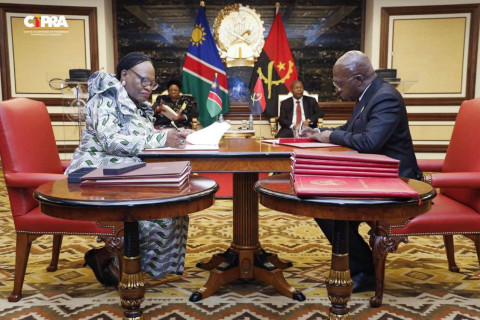
The facility was inaugurated in Kinshasa on July 2 by Hydrocarbons Minister Acacia Bandubola Mbongo. It includes three servers dedicated to upstream petroleum activities, with a combined storage capacity of 15,000 gigabytes, as well as a separate server for downstream data. A backup system is also planned to protect the country’s strategic information.
For a country looking to expand oil exploration, the importance of the project goes beyond simply storing documents. Reliable geological and technical data is one of the basic requirements for assessing sedimentary basins, preparing licensing rounds and allowing potential investors to evaluate exploration risks.
DRC’s hydrocarbons ministry says the new system will centralize and preserve information covering exploration, geological analysis and resource evaluation. The government also plans to gradually digitize, integrate and enrich historical records that remain scattered across different archives and formats.
That process matters because much of the country’s petroleum data is not new. Africa Intelligence reported last week that the new platform relies on older datasets that have been reprocessed or reinterpreted through successive contracts, raising questions about how the information was produced and managed over time.
The government’s own description suggests that the data bank is still a work in progress. Ricky Mualaba Kalenga, an adviser at the hydrocarbons ministry, said the inauguration marked the beginning of a broader process involving the digitalization, vectorization, integration and gradual enrichment of historical sector data.
The initiative also comes as Kinshasa looks to make better use of its sedimentary basins. DRC has significant oil resources but remains a relatively small producer compared with major African oil economies. Much of its petroleum potential is concentrated in the western and central parts of the country, while exploration has historically been limited by infrastructure constraints, political risks and a lack of investment.
Better data could help address at least one of those obstacles. A centralized system gives the state greater control over its technical information and could make future licensing rounds easier to prepare. It may also strengthen Kinshasa’s position when negotiating with international oil companies by giving government agencies a more complete picture of the resources being offered.
The project has an international dimension as well. DRC and Algeria signed a memorandum of understanding on hydrocarbons in May that included cooperation on modernizing the management and use of oil-sector data. It is not clear, however, whether the new data bank is a direct result of that agreement.
For DRC, the immediate goal is therefore less about announcing new production than about building the information base needed to attract exploration capital. The success of the project will ultimately depend on how quickly historical data can be consolidated, how reliably it can be verified and whether investors see enough value in the country’s sedimentary basins to justify taking on the risks of exploration.
The new data bank is a technical project, but its significance is broader: before DRC can sell more of its oil potential to investors, it needs to know exactly what information it has — and how much that information can be trusted.