The Republic of the Congo is strengthening its position in Africa's LNG industry after Eni completed the second phase of its Congo LNG project. The expansion significantly increases the country’s liquefied natural gas export capacity and adds a new pillar to an economy that has long depended on crude oil.
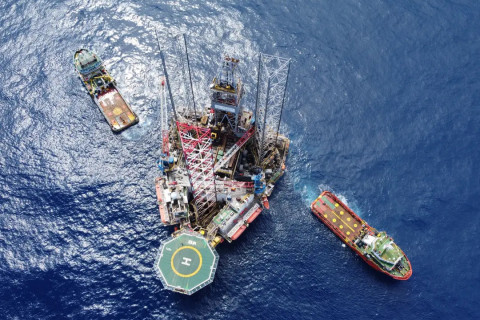
The project’s second phase entered operation in February 2026, with the first cargo loaded from the Nguya floating liquefied natural gas (FLNG) facility. Together with the Tango FLNG unit, which began production in late 2023 and shipped its first LNG cargo in early 2024, Congo LNG now has a total liquefaction capacity of 3 million tonnes per annum, or about 4.5 billion cubic meters of gas a year.
Eni said the second phase was completed in about 35 months, making Congo LNG one of the fastest-developed floating LNG projects in the world. Tango FLNG has a capacity of 0.6 million tonnes per annum, while Nguya adds another 2.4 million tonnes per annum. Gas for the project comes from the offshore Nené and Litchendjili fields in the Marine XII permit, which is operated by Eni. Part of the output is also earmarked for domestic power generation, supporting efforts to improve electricity supply and create conditions for industrial growth.
The project is helping the country diversify its hydrocarbons sector. Oil still accounts for most of the Republic of the Congo’s export earnings and fiscal income, but LNG is emerging as a second major export stream by monetizing offshore gas that previously had limited commercial value.
Authorities are also looking to build on the momentum with reforms aimed at attracting more upstream investment, speeding up exploration and encouraging the development of new offshore gas resources. Officials have increasingly described natural gas as a strategic complement to crude oil in the country’s long-term energy strategy.
Although the Republic of the Congo remains a relatively small LNG producer compared with exporters such as Algeria and Nigeria, the pace of expansion has drawn industry attention. The project shows how floating LNG technology can help medium-sized producers bring offshore gas to market faster and with lower upfront infrastructure costs than conventional onshore terminals.
Beyond its importance for the Congolese economy, Congo LNG is also part of Eni’s broader effort to secure alternative gas supplies for Italy and Europe after Russia’s full-scale invasion of Ukraine in February 2022 accelerated the continent’s efforts to reduce dependence on Russian pipeline gas. As Europe continues to diversify its energy imports, the Republic of the Congo is gaining a more visible role in the global LNG supply chain.