New plants and expansions could help cut fuel imports and reshape energy trade, but the gap between capacity and real output remains wide.
Africa’s expanding refinery buildout is signaling a major policy shift. For decades, the continent’s oil producers followed a simple, flawed equation: export raw crude and buy back refined products at a premium. This model left domestic economies highly vulnerable to currency pressures, global price shocks, and supply bottlenecks. Today, governments are treating downstream investments not just as industrial projects, but as strategic tools to secure energy independence and retain economic value at home. By refining crude locally, producing states like Nigeria and Angola aim to foster domestic industries, including petrochemicals, fertilizers, and logistics. The logic is straightforward: local processing stabilizes domestic fuel supply, which directly influences transportation, food, and electricity costs. For governments under pressure to stabilize public finances, reducing the multi-billion-dollar foreign exchange burden created by fuel imports is a powerful incentive. The ultimate goal is to shift from being mere resource extractors to becoming resilient, integrated industrial systems.
The Governance and Logistics Bottleneck
However, building a refinery is only half the battle. The continent still faces deep structural weaknesses, including inadequate pipelines, limited storage, and inconsistent crude feedstock supply. Furthermore, if fuel pricing remains distorted by heavy subsidies or exchange-rate volatility, the financial viability of these capital-intensive plants quickly becomes strained. Many analysts point out that Africa’s refining challenge is often as much about governance and regulatory stability as it is about infrastructure.
The Regional Test
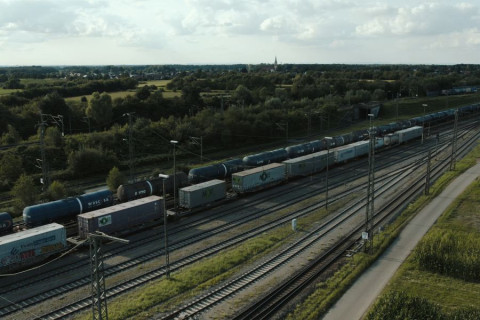
The real measure of success will be whether this new capacity can drive regional trade. If African refineries begin supplying neighboring countries, they could rewrite the continent's energy flows. Strategic transport networks are critical here. For instance, combining Angola’s upcoming Lobito refinery with the modernized Lobito Corridor (Corredor do Lobito) rail link could create a direct logistics route to supply energy-starved mining and industrial hubs deep in the interior. Yet, achieving this continental scale requires far better cross-border cooperation, harmonized fuel standards, and fewer bureaucratic barriers.
The Bottom Line
African oil producers have realized that exporting raw materials is no longer enough to guarantee industrial progress. They want control over their value chains. Still, the transition is in its early stages. Building capacity is a promising start, but the real test will be whether these refineries can operate reliably and integrate into the broader regional economy. Until then, Africa’s downstream boom remains a work in progress rather than a completed transformation.