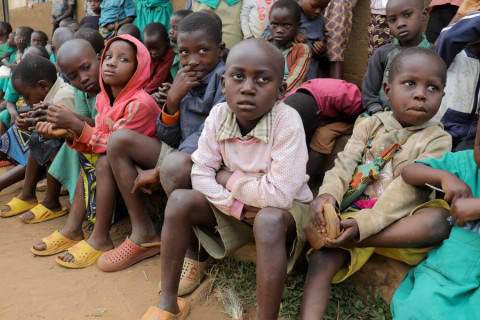
The Republic of the Congo and the UN refugee agency are preparing arrangements for the voluntary return of Central African refugees, more than half of whom have expressed a wish to go home, according to UNHCR’s multi-country representative Yvette Muhimpundu.
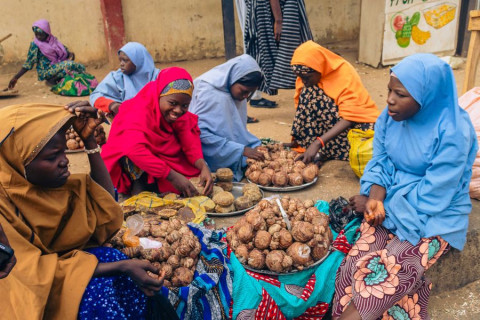
More than 30,000 refugees from the Central African Republic (CAR) are living in the Republic of the Congo, Muhimpundu said after meeting Congolese Minister of Social Affairs and Humanitarian Action Lydie Pongault in Brazzaville on October 23.
The discussions focused on the protection of displaced people, the situation of refugees from CAR and the Democratic Republic of the Congo, and the humanitarian response to flooding in northern parts of the country, Congolese newspaper ADIAC reported on October 27.
Regarding Central African refugees, Muhimpundu said UNHCR and the relevant authorities were identifying solutions for those who wished to return. A timetable is to be developed in coordination with counterparts in CAR, with regular meetings planned to monitor progress. Congolese authorities had earlier said they were working toward organizing the first returns before the end of 2026, with UNHCR support.
The return process is intended to be voluntary and conducted in conditions that ensure the safety and dignity of those concerned. The discussions did not establish a specific date or schedule for the return of individual groups.
The meeting also addressed refugees from the DRC. Muhimpundu said a roadmap had been drawn up following a tripartite meeting involving the Congolese and DRC authorities and UNHCR. Its initial steps include gathering information from refugees about their intentions, identifying their preferred destinations and assessing whether conditions there are suitable for return.
Separately, Muhimpundu reaffirmed UNHCR’s readiness to support the Congolese government in assisting communities affected by flooding in the north. She said humanitarian responses would be coordinated under the government’s leadership and based on people’s vulnerability, regardless of whether they were refugees or Congolese citizens.
The talks followed three days of meetings between UNHCR and the Ministry of Social Affairs and Humanitarian Action as part of the sixth tripartite meeting on refugees from the DRC and CAR.
The Republic of the Congo has hosted refugees from both neighboring countries for more than a decade, according to Muhimpundu.