Russian companies continue to operate across Africa despite Western sanctions imposed over Moscow’s full-scale invasion of Ukraine. Ride-hailing platform Yango, nuclear corporation Rosatom and gold producer Nordgold show how Russian businesses maintain a presence in digital services, energy and mining — while facing regulatory, financial and security obstacles.
Their experiences differ: Rosatom is building a major nuclear power plant in Egypt, Yango has expanded across multiple markets, and Nordgold is developing gold assets while adapting to sanctions and security risks.
Yango Navigates Local Rules
Yango, a ride-hailing and delivery platform associated with Russian technology group Yandex, began expanding in Africa in 2018. By 2025, it operated in 13 African countries, according to the French Institute of International Relations (IFRI).
Expansion has not been seamless. In October 2024, Togo suspended Yango’s operations, citing a lack of required authorization and failure to follow national procedures. The suspension demonstrated how regulatory disputes can disrupt the platform’s expansion into African markets.
Rosatom Bets on Nuclear Energy
Rosatom’s strongest example of an established African commitment is Egypt’s El Dabaa nuclear power plant. The project comprises four reactors with a combined capacity of 4,800 megawatts and an estimated cost of $28.8 billion. Russia is financing 85% of the project through a state loan. The investment creates a long-term relationship involving construction, fuel supplies, technical services and maintenance.
Rosatom is also pursuing new markets. On October 28, 2026, chief executive Alexey Likhachev said the company was in advanced discussions with Egypt, Togo, Namibia and Tanzania about floating nuclear power plants, each with a proposed capacity of around 100 megawatts, Reuters reported.
The talks are not confirmed construction contracts. A separate memorandum with Togo covers an assessment of potential cooperation in nuclear and non-nuclear applications of nuclear technology, not a commitment to build a power plant.
Nordgold Faces Sanctions and Security Risks
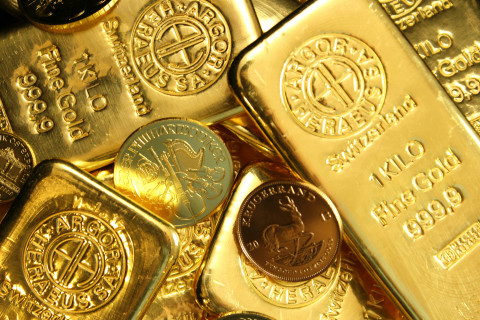
Nordgold operates the Bissa and Bouly gold mines in Burkina Faso. In April 2025, the country granted the company an industrial mining license for the Niou deposit.
Burkina Faso’s government estimated that Niou could produce 20.22 metric tons of gold over eight years and generate approximately 51.5 billion CFA francs, or $89 million, in state revenue over the project’s operating life. These are projections, not revenues already received.
Sanctions have complicated Nordgold’s international gold-refining arrangements, prompting changes to its processing and commercial networks, according to IFRI. Security has also disrupted its operations: the company suspended work at its Taparko mine in Burkina Faso in 2022 amid deteriorating conditions.
The contrast is significant. Nordgold retains producing assets and a route to further expansion, but neither mining licenses nor projected output guarantee that a project will deliver its expected returns.
A Presence Under Pressure
The three companies illustrate why sanctions have not eliminated Russia’s commercial presence in Africa — and why that presence should not be mistaken for unrestricted expansion. Yango faces local regulatory requirements, Rosatom depends on long-term financing and government agreements, and Nordgold must manage sanctions-related complications alongside security risks.
For African governments, Russian firms offer potential partners in transport, energy and mineral development. The test is whether new proposals secure financing, obtain approvals and become operating projects. Russia’s influence will ultimately depend less on announcements than on what its companies can deliver and sustain.