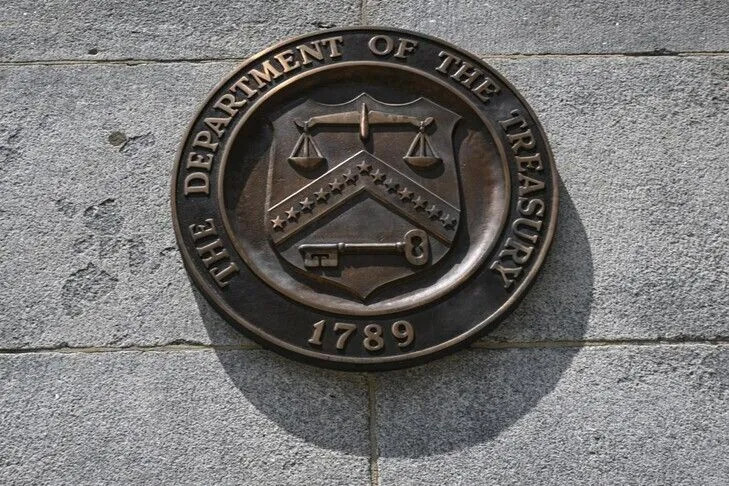
The United States has imposed sanctions on Rwanda’s Ministry of Defense and Zigama Credit and Savings Society, accusing both of helping sustain the M23 rebellion in eastern Democratic Republic of Congo (DRC). The measures are intended to enforce the US-brokered Washington Accords and push Kigali to withdraw its forces from Congolese territory.
The US Treasury’s Office of Foreign Assets Control designated Rwanda’s Ministry of Defense under Executive Order 13413, alleging it provided financial, material, logistical and technological support to the Rwanda Defense Force (RDF).
Washington says the RDF has deployed thousands of troops in North and South Kivu, fought alongside M23, and supplied the rebels with weapons, training and equipment.
The State Department also said Rwandan forces introduced surface-to-air missiles and jamming equipment, creating risks for civilian aviation in eastern DRC.
Zigama Credit and Savings Society, described by US officials as a financial institution serving Rwanda’s security services, was sanctioned separately. The Treasury alleges it paid foreign suppliers for weapons and military equipment, covered RDF training-related travel, handled tens of millions of dollars in transactions for M23 and its political wing, the Congo River Alliance, and helped move gold from rebel-held areas to Kigali.
The designations freeze assets under US jurisdiction and generally bar US persons and businesses from transacting with either entity unless authorized or exempt. Violations can expose US and foreign parties to penalties.
Washington also highlighted conditions in M23-controlled mining zones, including Rubaya in North Kivu, where civilians reportedly face forced labor, unsafe work and illegal taxation. It urged governments and companies to scrutinize supply chains for gold and coltan linked to armed groups.
The action follows earlier US penalties on the RDF and four senior commanders in March 2026, as well as sanctions in June against a gold refinery and mining companies accused of handling conflict minerals.
The sanctions come nearly a year after Rwandan President Paul Kagame and DRC President Félix Tshisekedi signed the Washington Accords for Peace and Prosperity on December 4, 2025, under US mediation. The agreement was meant to end fighting, expand regional trade and investment, and improve transparency in critical-mineral supply chains.
US Treasury Secretary Scott Bessent said Rwanda must halt support for M23 and withdraw its troops from eastern DRC. The State Department added that Kigali must not back “any successor armed group,” language Congolese media interpreted as an effort to prevent M23 or the Congo River Alliance from rebranding under a new name.
In turn, Rwanda’s Government Spokesperson Yolande Makolo said the Washington Accords also require the neutralization of the Democratic Forces for the Liberation of Rwanda (FDLR), a militia linked to perpetrators of Rwanda’s 1994 genocide, and accused Kinshasa of failing to meet that commitment.
Rwanda’s Foreign Minister Olivier Nduhungirehe had earlier rejected his country's responsibility for the conflict, saying Kigali should not be treated as a “scapegoat” for Congo’s crisis. However, the DRC foreign ministry welcomed the sanctions and urged Rwanda to honor the accord, respect the UN Charter and withdraw its troops.