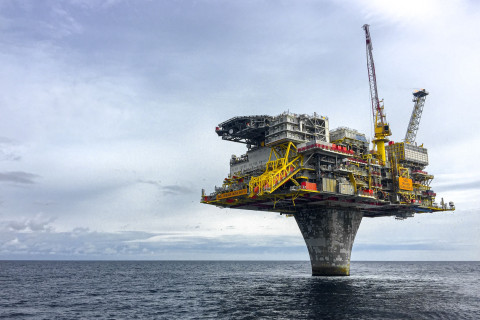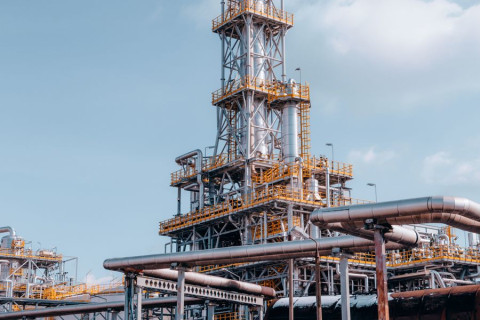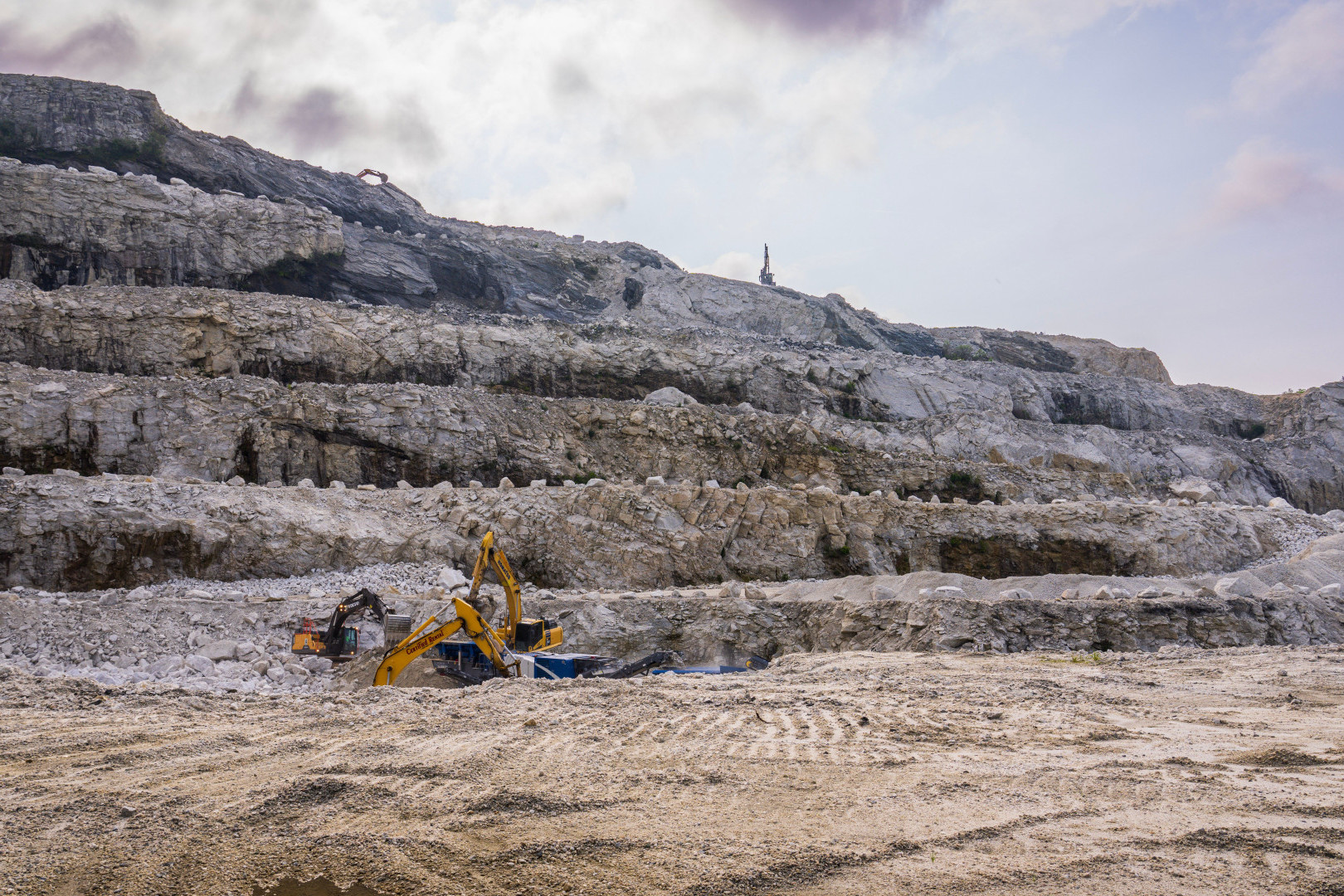
When Mines Minister Fuh Calistus Gentry presented the government's latest fiscal projections on July 15, he highlighted more than a record revenue forecast. For the first time, Cameroon expects mining revenue to surpass oil income, reaching an estimated $1.75 billion in 2026. For a country whose extractive economy has long been built around crude oil, the projection signals a broader strategic shift. The change is being driven by necessity rather than new mineral discoveries. As mature oil fields produce less and exploration activity continues to slow, petroleum revenues are steadily declining. Rather than waiting for the sector to recover, Yaoundé is accelerating the development of mining, positioning it to become the country's next major engine of resource growth.
Building a New Mining Economy
The strategy extends far beyond opening new mines. The government is moving several flagship projects into production, including the Minim-Martap bauxite project and the Mbalam, Kribi-Lobé, and Bipindi Grand-Zambi iron ore developments. Together with a broader pipeline of projects, they form the foundation of Cameroon's long-term effort to diversify its extractive sector and strengthen its position in global mineral supply chains. The scale of investment reflects those ambitions. Billions of dollars are planned for mining and supporting infrastructure over the coming years, with Mbalam expected to become one of the country's largest iron ore developments. Yet geology is not Cameroon's biggest challenge. Most of these projects depend on infrastructure that has yet to be completed. Rail links, mineral terminals, processing facilities, and expanded capacity at the Port of Kribi will ultimately determine how quickly the country can turn mineral reserves into export revenue. Until those networks are in place, production will remain constrained regardless of the size of the deposits.
Reclaiming Control Over Gold
While iron ore and bauxite represent Cameroon's long-term strategy, the government is also pursuing reforms designed to generate more immediate returns. For years, a significant share of the country's gold production has remained outside effective state oversight. Illegal operators, weak licensing controls, and informal trading networks have diverted substantial volumes away from official export channels, depriving the government of taxes, royalties, and foreign exchange earnings. Rather than simply cracking down on illegal mining, authorities are restructuring how the sector is regulated. Hundreds of illegal operations have been identified, mining permits are under review, and oversight of production and gold sales is being tightened. The objective is to restore effective state control over the sector, ensure that more gold enters formal markets, and increase fiscal revenues from resources that are already being extracted. The timing is significant. Large iron ore and bauxite projects will require years of construction before reaching full production, while stronger oversight of gold mining can deliver additional budget revenue much sooner. In effect, Yaoundé is pursuing both long-term industrial expansion and short-term revenue stabilization at the same time.
A Test of Execution
Cameroon's strategy is not simply about replacing oil with minerals. It is about reshaping the country's extractive economy through new investments, stronger regulation, and modern infrastructure. The government's success, however, will depend less on the size of its mineral reserves than on its ability to execute. Railways must be completed, ports expanded, processing capacity developed, and regulatory reforms consistently enforced. If those pieces come together, mining could become the foundation of Cameroon's next phase of economic development. If they do not, the country risks discovering that mineral wealth alone is not enough to replace decades of dependence on oil.