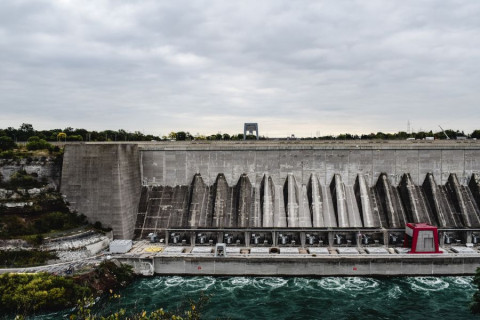
For years, the energy conversation in Central Africa has revolved around one objective: producing more electricity. Governments have pursued new hydropower projects, expanded solar generation, upgraded transmission infrastructure, and attracted billions of dollars in international financing to close one of the world's largest electricity deficits. Installed capacity has gradually increased, and more projects continue moving from planning to construction.
Success, however, raises a different question.
What happens after the electricity is generated?
This may seem obvious. More electricity should naturally lead to faster economic growth. Yet the relationship is far less automatic than it appears. Power generation creates potential. Economic transformation depends on whether that potential can be translated into productive demand.
Electricity only becomes an economic asset when someone uses it to create value.
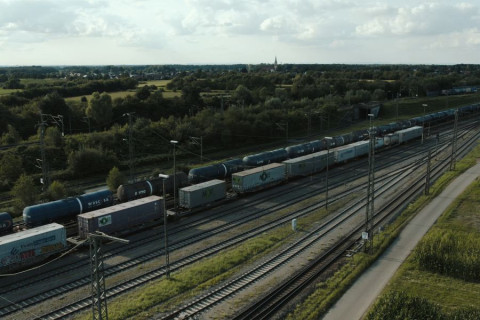
Factories, data centers, mining operations, cold-storage facilities, processing plants, industrial parks, and transport systems convert electricity into economic output. Without sufficient productive consumers, additional generation risks becoming underutilized capacity rather than a driver of development. In other words, building power plants is only the first stage of building an energy economy. This challenge is becoming increasingly relevant across Central Africa. Countries including Angola, Cameroon, and the Democratic Republic of the Congo are expanding generation capacity through large hydropower projects while simultaneously seeking to diversify their economies beyond raw commodity exports. The long-term success of these investments will depend not only on how much electricity they produce but also on whether domestic industries grow quickly enough to consume it.
The relationship works in both directions. Reliable electricity encourages industrial investment, while expanding industry creates the demand that justifies additional investment in power generation. When these two processes reinforce one another, energy becomes a catalyst for sustained economic growth. When they develop at different speeds, infrastructure can outpace productive activity, reducing the economic return on even well-designed energy projects.This is why energy policy is increasingly becoming industrial policy. Governments are paying greater attention to manufacturing zones, mineral processing facilities, logistics hubs, digital infrastructure, and regional value chains because these sectors determine whether new electricity generation translates into higher productivity rather than simply higher installed capacity. The objective is no longer limited to supplying power. It is to create economies capable of using that power productively.
Regional integration adds another dimension. Cross-border electricity trade allows countries with surplus generation to supply neighboring markets where demand is growing more rapidly. Organizations such as the Central African Power Pool are gradually working toward stronger regional interconnections, recognizing that electricity markets often function more efficiently across national borders than within relatively small domestic economies. Expanding regional trade therefore increases the likelihood that new generation capacity can find productive consumers even when domestic demand remains limited.
For investors, this distinction is becoming increasingly important. Financing generation projects is only part of the equation. The long-term commercial viability of those investments depends on the strength of the industries, businesses, and institutions that ultimately purchase the electricity being produced. A power plant with no growing customer base represents infrastructure. A power plant serving an expanding productive economy represents development. Central Africa's energy transition is therefore entering a new phase. Producing more electricity remains essential, but it is no longer sufficient on its own. The region's next challenge is not simply generating power. It is generating demand.
Electricity does not create economic growth by itself. People, businesses, and industries do. The countries that succeed over the coming decade will not necessarily be those that build the most power plants, but those that build economies capable of putting every additional megawatt to productive use.