Abu Dhabi-based Global South Utilities (GSU) has inaugurated the largest infrastructure project in the Central African Republic’s (CAR) history.
A 50-megawatt solar photovoltaic plant with battery storage that is expected to raise national electricity generation capacity by more than 60% and supply clean power to over 300,000 households, Emirates News Agency – WAM reported on August 12.
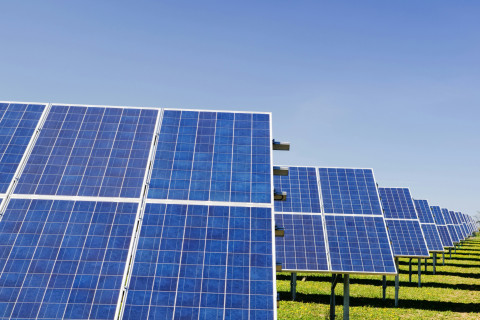
The Sakaï plant, located about 10 km southwest of the capital Bangui, combines a 50-MW solar array with a 15-megawatt-hour Battery Energy Storage System (BESS) to improve grid stability and extend reliable supply beyond daylight hours. Built with more than 80,000 solar panels and 156 inverters, the facility was delivered in just 10 months from groundbreaking to commissioning, with GSU reporting 448,880 safe man-hours during construction.
GSU says the project will cut more than 50,000 tonnes of carbon dioxide emissions annually, supporting CAR’s climate goals while addressing chronic power shortages that have long constrained economic activity.
The project was enabled by concessional financing from the Abu Dhabi Fund for Development (ADFD), underscoring the UAE’s role in mobilizing development capital for clean energy in Africa. GSU’s managing director and CEO, Ali Alshimmari, described the plant as “of historic national importance” and credited the partnership model—linking UAE development finance, engineering delivery, and CAR government coordination—for the rapid execution.
CAR President Faustin-Archange Touadéra, senior ministers, and GSU executives, reflecting the project’s strategic significance for both countries, attended the inauguration on August 12. It follows a Comprehensive Economic Partnership Agreement signed between the UAE and CAR in March 2025 aimed at expanding trade and investment across key sectors.
According to CAR’s Interim Minister of Energy and Hydraulic Development, Rufin Benam Beltoungou, the plant’s integration will be phased. An initial 15 MW will serve districts in Bangui before wider grid connections are extended by December 2027. Reliable electricity is expected to bolster hospitals, schools, and public services, while enabling businesses to expand operations and attracting new investment into manufacturing and services.
GSU reports that its operational and under-development assets now exceed 500 MW globally, avoiding roughly three million tons of CO₂ annually. It’s also building a 50-MW plant in Madagascar. The company delivered a 50-MW plant in Chad in September 2025 and is targeting 750 MW of operational solar-plus-storage capacity by 2027.