TotalEnergies plans to invest $10 billion with partners in Angola over the next five years, expanding its oil portfolio as the country seeks to maintain production from an aging offshore resource base.
The investment brings the interests of the French energy major and the Angolan government together, but for different reasons. Luanda needs new capital and exploration to keep current oil output at around 1 million barrels per day and protect revenues from a sector that remains central to the economy. TotalEnergies, meanwhile, is looking to maintain production, add new reserves and expand its position in one of its most important African oil markets.
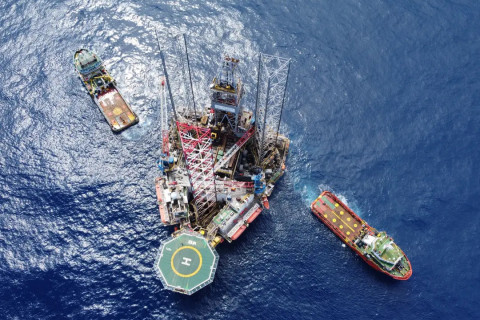
TotalEnergies is already Angola’s major oil operator, producing around 450,000 barrels per day. The company is developing the $6 billion Kaminho project in the Kwanza Basin, about 100 kilometers offshore. Production is expected to begin in 2028, adding a major new source of output to its Angolan portfolio.
Fresh exploration is another part of the strategy. TotalEnergies has signed agreements with Angola’s petroleum regulator, ANPG, to take a 40% operated interest in exploration Blocks 17/25 and 32/21 in the Lower Congo Basin. Their proximity to existing TotalEnergies-operated facilities could allow future discoveries to be connected to infrastructure already in place, potentially lowering development costs and shortening the path from discovery to production.
The company has also moved quickly to develop new discoveries from its existing portfolio. Acacia-5, discovered on Block 17 in June, is expected to add 6,000 barrels per day. TotalEnergies plans to bring the field into production within three months of the discovery by using available capacity on the Pazflor floating production, storage and offloading vessel.
Speed matters because Angola is trying to offset the natural decline of mature offshore fields. New projects do not simply add barrels; they help prevent existing production from falling fast enough to undermine the country's broader oil strategy. TotalEnergies has said investment is necessary to maintain current production levels.
Exploration is also becoming more technology-driven. TotalEnergies plans to use artificial intelligence and geoscience tools to search for additional resources in Angola, starting with the Angolan Basin. The company says it believes further discoveries remain possible in areas where it already has producing assets.
For Angola, the challenge is to turn this renewed interest from international oil companies into a sustained investment cycle. Regulatory reforms have been aimed at making exploration more attractive, while new projects need to generate enough additional production to compensate for declines elsewhere.
For TotalEnergies, Angola offers a different proposition: existing infrastructure, established offshore operations and new exploration opportunities that can potentially be developed around its current assets.
The $10 billion commitment therefore reflects more than support for Angola’s oil sector. It is a commercial bet by TotalEnergies on finding and developing another generation of offshore resources — while giving Luanda a chance to slow the decline of an industry on which its revenues still heavily depend.