Angola and DRC: 1,450 Kilometres of Electricity — and Political Will
There is something almost symbolic about this project. Angola has surplus electricity it cannot fully use. DRC has enormous hydroelectric potential it cannot fully develop. Between them — a structural deficit that has lasted decades. Now both governments are saying they want to fix it with a single transmission line.
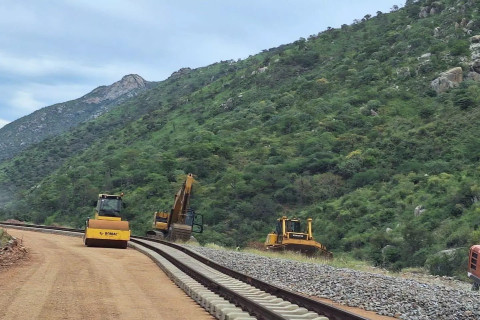
Democratic Republic of Congo and Angola are moving forward with plans to build approximately 1,450 kilometre electricity interconnection line linking the two countries' grids. Project would connect Angolan province of Malanje to Fungurume in DRC, with objective of securing electricity supplies for Congolese mining sector and strengthening cross-border energy trade. Angola has surplus electricity production capacity, while DRC continues to face structural electricity deficit despite significant but still underutilised hydroelectric potential.
There is also broader strategic dimension to project. Reliable electricity in DRC's mining regions directly supports global supply chains for critical minerals — copper, cobalt and lithium. Project has attracted attention from US investors following Powering Africa Summit in Washington, where future role of American capital in African energy infrastructure was central theme.
This is not first time such project has been discussed. Central Africa has long history of ambitious energy cooperation announcements that did not move beyond planning stage. What is different this time — if anything — is combination of US investor interest, rising demand from DRC's expanding mining sector, and bilateral political momentum between Luanda and Kinshasa that has been building since peace negotiations over eastern DRC brought two presidents into regular contact.
Bilateral trade between DRC and Angola rose to 178.4 million dollars in 2024 from 126.1 million dollars in 2023 — modest in absolute terms but reflecting genuine strengthening of economic ties that energy corridor would accelerate significantly.
DRC: Tshisekedi Gives Grand Inga 60 Days
President Tshisekedi has issued what amounts to an ultimatum on one of Africa's most discussed and least realised infrastructure projects.
Tshisekedi has ordered Grand Inga agreements to be finalised within 60 days, with government directed to adopt legal framework needed to unlock World Bank support for Inga 3 project.
Grand Inga sits on Congo River — waterway with more hydroelectric potential than any other river on planet outside Amazon. For decades, project has been announced, negotiated, cancelled, renegotiated and announced again. Various versions of Inga 3 have involved South Africa, Spain, China, South Korea and multiple international lenders — none of which have produced concrete results.
Whether 60-day deadline will be different is question that Kinshasa's own track record makes difficult to answer with confidence. But instruction itself signals that Tshisekedi sees energy infrastructure — not just mineral extraction — as central to country's economic future.
Cameroon: Oil Windfall Comes With Hidden Costs
Cameroon looked like it was going to benefit from spike in global oil prices earlier this year. Reality turned out to be more complicated.
Brent crude moved from 71 to 73 dollars per barrel in one day in early March 2026, then climbed to 81.8 dollars on March 3 before crossing 90 dollars on March 6. For Cameroon — an oil producer — this looked like good news. But government's own price control policies mean that windfall from higher export prices is partly offset by cost of maintaining subsidised domestic fuel prices.
There is additional complication that has nothing to do with economics. EU envoy publicly accused Russia of using Cameroon's flag to evade oil sanctions — allegation that puts Yaoundé in uncomfortable position between its trading relationships and its international reputation. Washington is simultaneously considering renewed military deployment in Cameroon against Boko Haram, adding security dimension to what is already complex diplomatic picture for country managing two active conflict zones. Wikipedia
Cameroon signed memorandums of understanding for 1.5 billion dollar waste-to-energy projects — plans targeting waste treatment and power generation that represent attempt to diversify energy mix beyond oil and hydropower.
Angola: Gas Strategy Positioned as Regional Model
Angola is presenting its expanding gas sector not just as commercial opportunity but as potential solution to energy poverty across continent — an unusually ambitious framing for what is essentially an upstream oil and gas story.
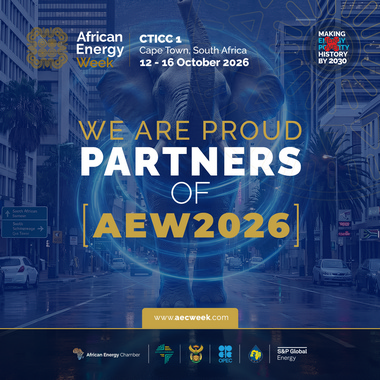
Angola's gas push is being described by African Energy Chamber executive chairman NJ Ayuk as more than upstream success story — he called it lifeline in fight against energy poverty. Projects like National Gas Consortium show what is possible when policymakers and industry work together to unlock resources, build infrastructure and put African energy to work for African development. International engagement around Angola's gas sector is expected to accelerate further at African Energy Week 2026, set for Cape Town in October.
Angola left OPEC in 2024 due to disagreements over quotas and misalignment with interests of major oil companies. Country is now demonstrating what analysts describe as desire to strengthen energy sovereignty — managing its resources on its own terms rather than within framework designed primarily for larger producers.
Angola and Gabon are also in discussions about deeper energy partnership — conversations that some observers are describing as step toward more coordinated regional approach to oil and gas policy, though talk of African OPEC remains far ahead of any concrete institutional reality.
The Connecting Thread
What runs through all four stories this week is same underlying question — how does Central Africa convert its extraordinary energy endowment into reliable electricity and genuine economic development for people who currently have neither.
Angola-DRC transmission line, Grand Inga deadline, Cameroon's gas diversification and Angola's positioning as regional energy model are all different answers to same question. None of them is sufficient on its own. Together, they suggest that region is at least asking the right questions — even if answers remain, as they have for decades, frustratingly out of reach.