Leaders from Angola, the Democratic Republic of Congo (DRC) and Zambia have discussed a concrete, time‑bound work plan to fully integrate the Lobito Corridor as a trade route.
Opening the Second Lobito Corridor Coordination Meeting in Lusaka on October 5, Zambian President Hakainde Hichilema said the corridor must “go beyond transporting minerals and goods” by deliberately creating employment, expanding intra‑regional trade, promoting tourism and strengthening commercial ties among the three countries, according to ZNBC.
He called for a shift from one‑stop border posts to “non‑stop” borders with 24‑hour operations, digital customs and immigration systems and single‑window platforms to cut delays and the cost of doing business.
The president added that the corridor should be managed as a business platform, with governments identifying and removing bureaucratic obstacles that deter investment, and using its monitoring system to track problems and jobs created.
World Bank Managing Director for Operations Anna Bjerde said the corridor’s success would be measured by the jobs and economic transformation it generates, not just by freight volumes. She reported significant progress in the eight months since the first coordination meeting in Luanda, including financing for key Zambian road projects, railway rehabilitation and a dry port.
Bjerde noted that International Finance Corporation diagnostics had identified 118 private‑sector investment opportunities worth more than $28 billion across mining, energy, agribusiness, logistics and forestry along the route.
Lobito Corridor Transit Transport Facilitation Agency Executive Secretary Amadeu Nunes said the agency would work with the three member states, the World Bank, development partners and the private sector to resolve outstanding issues and accelerate implementation.
Zambia’s Finance and National Planning Minister Situmbeko Musokotwane confirmed that government had secured funding from the African Development Bank and the Millennium Challenge Corporation to construct roads and improve connectivity along the corridor, and was awaiting completion of procurement processes before construction begins.
Musokotwane outlined a four‑pillar strategy centered on an export‑led economy, foreign direct investment, local capacity building and a favorable business environment, adding that the corridor would support presidential targets for producing and exporting copper, sugar and soya beans.
Angola reaffirmed its commitment, with Transport Minister Ricardo D’Abreu delivering a message from President João Lourenço, highlighting milestones including the operationalization of the 30‑year Lobito Atlantic Railway concession and $700 million in financing from the US International Development Finance Corporation and the Development Bank of Southern Africa.
D’Abreu said the railway was already moving copper and other minerals to the Port of Lobito, as well as sulphur, food products and domestic cargo within Angola, and that the corridor master plan had identified 144 investment opportunities across ten sectors worth more than $12 billion.
The DRC, represented by Minister of State for Planning Guylain Mbwizya, called for accelerated investment and stronger regional cooperation, describing the corridor as a strategic tool for territorial development, industrialization, job creation and economic growth across the region.
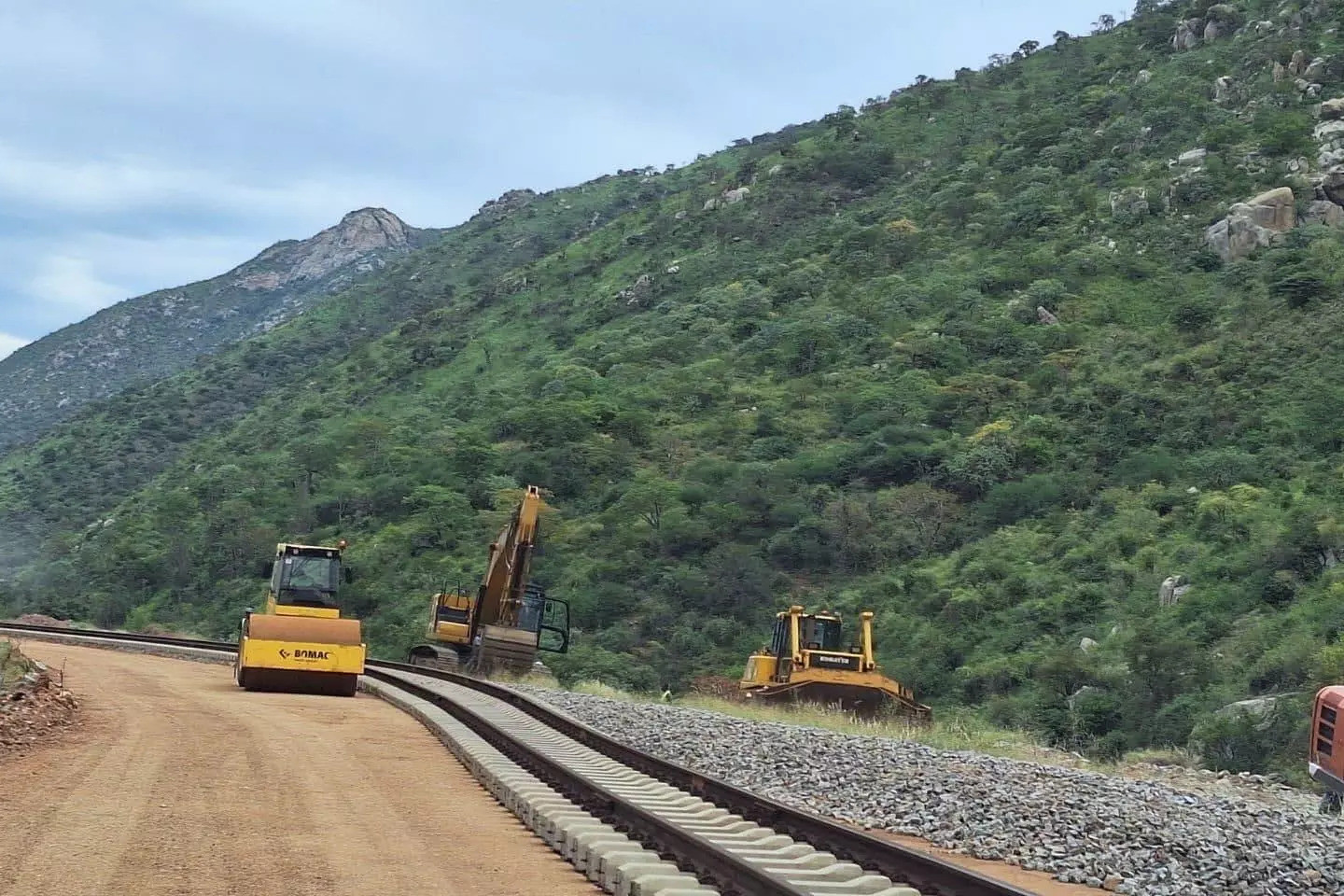
Lobito Atlantic Railway, which took over maintenance in 2024, has been rehabilitating the 1,300‑km Angolan section from Lobito port to Luau and coordinating access to the 450‑km DRC stretch towards Kolwezi.
The railway reports record monthly international shipments in mid‑2026, the resumption of full rail services between Lobito and Huambo, and the first cobalt exports via the corridor in April 2026. The operator says it currently runs about 12 trains a week, with plans to increase to 20 by 2027 as track, signaling and rolling stock are upgraded.