The Cameroonian transport minister and the World Bank have agreed to intensify efforts to reduce delays on the Douala–N’Djamena rail-road corridor.
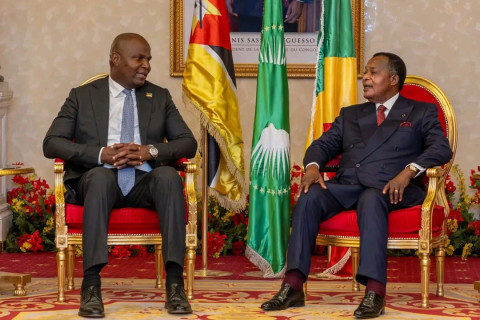
The decision followed a meeting on September 29 in Yaoundé between Cameroon’s Transport Minister Jean Ernest Masséna Ngallè Bibéhè and a World Bank delegation led by Anne-Cécile Souhaid, Head of the Global Practice for Transport in West and Central Africa, according to Business Cameroon.
The talks focused on implementation of the Regional Project for Improving the Performance of the Douala–N’Djamena Rail/Road Corridor (PCDN). Officials reviewed institutional, technical, administrative and financial constraints, while describing overall progress as broadly satisfactory despite delays in parts of the program.
The minister directed Camrail, the delegated contracting authority for the railway component, to complete and sign pending contracts so that the next operational phase can begin.
He also called for closer coordination among Camrail, the Ministry of Transport’s Directorate of Railway Transport and the World Bank, alongside stronger field teams and faster mobilization of investment.
In turn, Souhaid said that the World Bank had expanded its technical team to strengthen support, reduce implementation delays and help Cameroon advance reforms.
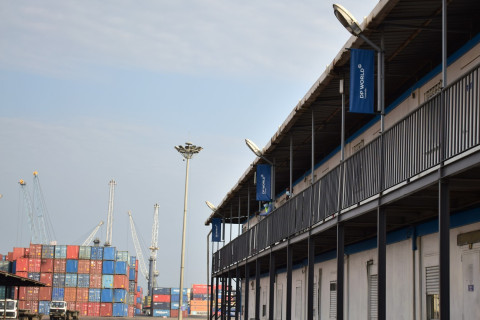
The corridor is a major regional trade artery linking Cameroon’s port of Douala with Chad’s capital, N’Djamena. The World Bank approved $538 million in International Development Association financing in February 2022 for the Cameroon-Chad Transport Corridor Project, which combines rail and road works with trade-facilitation measures.
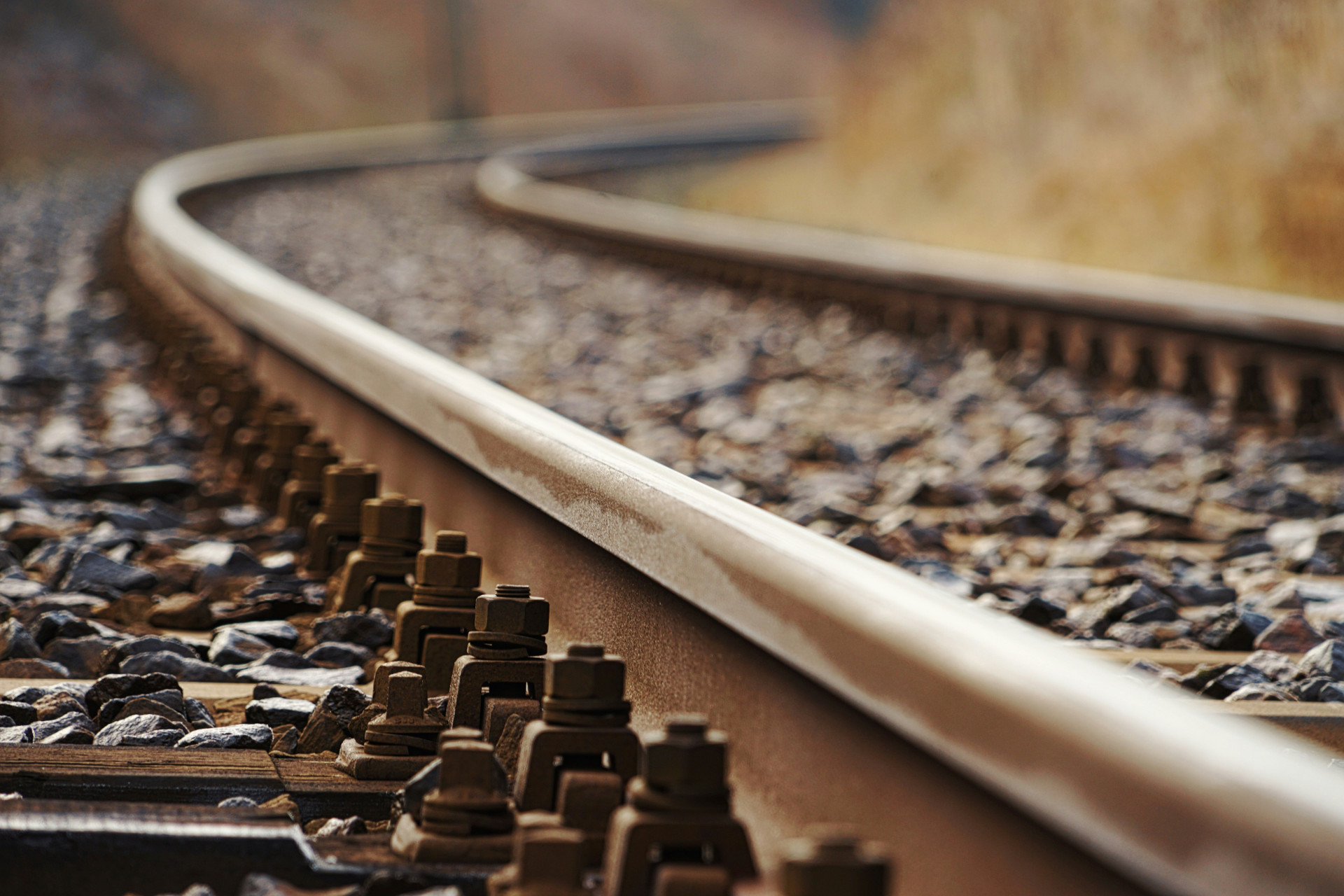
In Cameroon, the project includes rehabilitation of the Douala–Yaoundé railway, modernisation of signaling along the Douala–Ngaoundéré line, and upgrades to rail-road freight transfer platforms. The railway component was initially estimated at $265 million.
Detailed design and environmental and social studies for the railway were approved in November 2025. An action plan subsequently called for procurement of ballast, rails and sleepers from December 2025, with track-rehabilitation works to begin in January 2026.