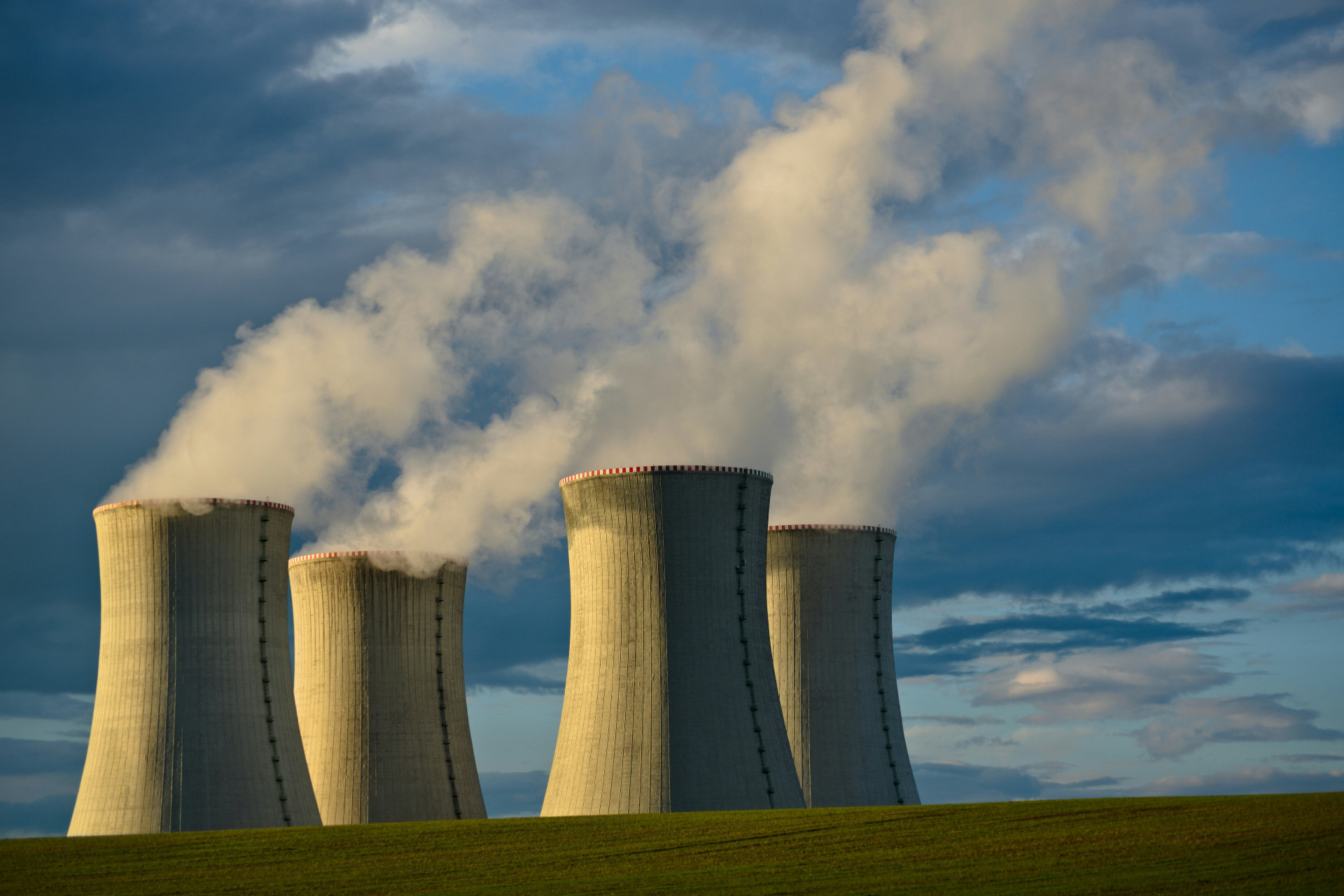
Rwanda says construction of its first nuclear reactor could begin “soon” after its atomic energy agency signed a new agreement with Russia’s state-owned Rosatom. The deal advances plans for a small modular reactor (SMR), a Centre for Nuclear Science and Technology, and training for Rwandan specialists.
The memorandum was signed on October 28 by Rosatom’s deputy director-general for international activities, Nikolay Spassky, and Rwanda’s ambassador to Russia, Maj Gen Joseph Nzabamwita, during the third Russia–Africa Summit in Moscow, according to Rosatom.
Rosatom said it will help assess Rwanda’s nuclear infrastructure needs in line with International Atomic Energy Agency recommendations, rather than immediately establishing a final construction contract or timetable.
Rwandan officials said the partnership will cover a small nuclear power plant, nuclear science infrastructure, and human-resource development. Ambassador Nzabamwita said construction would create jobs for young Rwandans, although neither government has announced a site, reactor design, budget, or start date.
Kigali is targeting its first 110 megawatts of nuclear electricity between 2030 and 2033, with two potential sites reportedly under approval. The plan is intended to diversify the country’s power supply and support industrialisation, healthcare, agriculture, and mining.
The latest agreement builds on a 2018 Rwanda–Russia intergovernmental accord on peaceful nuclear uses and a 2019 agreement for a Centre for Nuclear Science and Technology in Kigali. That center is expected to include a research reactor of up to 10 megawatts, laboratories, and facilities for nuclear medicine, irradiation, training, and materials research.
In July 2026, the Rwanda Atomic Energy Board and Rosatom signed a roadmap on SMRs, moving the relationship from broad cooperation toward defined work on infrastructure, training, and reactor projects. Rosatom says 102 Rwandan students are currently studying at Russian universities through its programs.
Rwanda’s nuclear strategy is not limited to Russia. In 2023, it agreed with Canadian-German firm Dual Fluid Energy on a demonstration reactor intended for testing in 2026 and completion in 2028, with Rwanda providing infrastructure and the company overseeing technical implementation and scientist training.
In August 2024, Rwanda signed an agreement with US-based Nano Energy for technical assistance, training, and support for future small modular and microreactor deployment. Rwanda has also pursued nuclear-training cooperation with Hungary, reflecting its effort to build expertise through several international channels.