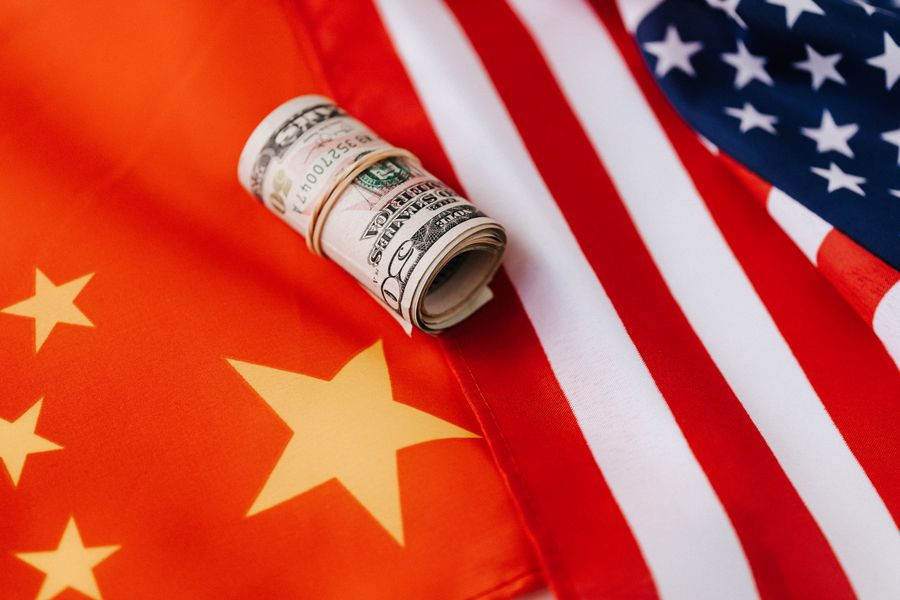
Competition between the United States and China for critical minerals is bringing new investment to resource-rich economies. Yet abundant reserves and foreign capital do not automatically translate into lasting economic gains. For developing countries, the greater challenge is to convert international demand for raw materials into domestic processing, infrastructure and broader industrial development.
The stakes are particularly high in Africa, where mineral resources are increasingly central to global supply chains for advanced manufacturing and electrification. The Democratic Republic of the Congo, the world’s leading cobalt producer and a major copper supplier, illustrates both the opportunities and the limits of this investment boom.
Chinese companies have established a strong position in the DRC’s mining sector through ownership of major copper and cobalt assets, financing and processing capacity. The United States is seeking to expand its presence through strategic partnerships and development finance. In September, the US Trade and Development Agency agreed to fund a pre-feasibility study for a proposed copper and cobalt refinery by Congolese company Buenassa Resources in Lualaba Province. The project reflects Kinshasa’s ambition to retain more value from its minerals, although construction has not yet been approved.
The DRC is also trying to use competition between foreign partners to improve investment terms. In March, Kinshasa and Beijing agreed to deepen cooperation on geological data, investment protection and local mineral processing. In September, the government established a joint task force with Washington to accelerate implementation of their strategic minerals partnership. These initiatives show that the country is seeking to engage both powers rather than rely exclusively on either one. The economic value of such partnerships will ultimately depend on the projects they deliver and the conditions attached to them.
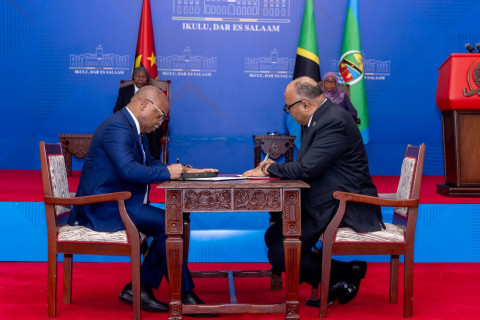
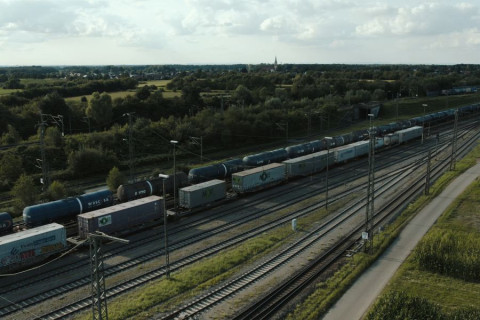
Infrastructure remains another constraint. The Lobito Corridor, linking the mineral-rich Copperbelt to Angola’s Atlantic coast, is intended to improve export access for producers in the DRC and Zambia. Transport links alone, however, cannot create a diversified industrial base. Reliable electricity, processing facilities, skilled labor and effective regulation are also required to capture more value locally.
The potential benefits of resource demand are considerable. During the previous commodity supercycle, driven partly by China’s industrial expansion, rising prices supported growth across resource-exporting economies. In Angola, oil revenues helped nearly double GDP between 2002 and 2008, according to The Economist. Yet the country’s later exposure to oil-price swings also highlighted the risks of heavy dependence on a single commodity.
Current competition between Washington and Beijing gives resource-rich countries an opportunity to attract investment from rival partners and negotiate better terms. The number of projects announced, the volume of foreign capital and the quantity of minerals exported are not, by themselves, sufficient measures of success. The more important question is whether these investments expand domestic production capacity, build industrial capabilities and reduce dependence on raw-material exports. Without that transformation, countries risk remaining suppliers of resources while most of the economic value is generated elsewhere.