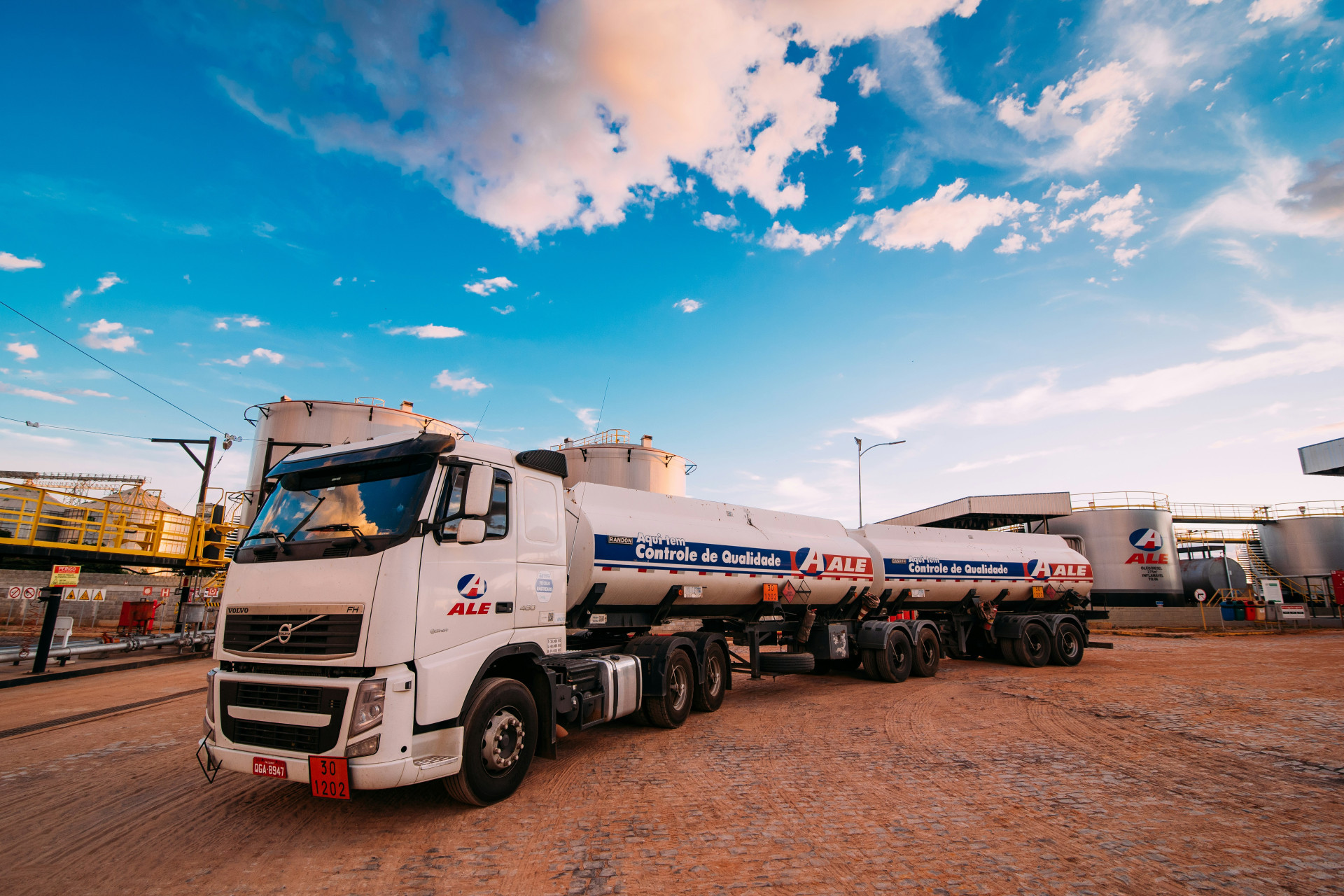
Niger has received 1.65 million liters of fuel from Algeria in a 53-truck convoy, as the military-led government tries to ease a shortage that has disrupted transport, commerce and daily life across the Sahel state.
The consignment arrived in Agadez on October 31 and was formally received by Petroleum Minister Hamadou Tinni on 1 November at the Sonidep depot, according to Benin Web TV.
The tanker trucks travelled through Assamaka and Arlit on the trans-Saharan route, with Algerian forces escorting the convoy to the border and Nigerien forces taking over on the Nigerien side. The fuel came from the Sbaa refinery in Algeria’s Adrar region and totaled about 1.6 million liters.
Tinni thanked Algerian President Abdelmadjid Tebboune and described the shipment as a sign of solidarity. He said it was procured by Niger’s state petroleum company, Sonidep, under bilateral cooperation agreements signed with Algeria’s Sonatrach in June 2026, which include supplying petroleum products at favorable terms.
He also defended Niger’s reliance on imports despite producing crude oil, operating the SORAZ refinery and exporting crude through the Niger-Benin pipeline. “Being a crude oil-producing country does not automatically guarantee self-sufficiency in finished products,” he said, citing the need for refining, transport, storage and distribution capacity.
Tinni said the government had created a prime-minister-led crisis committee and technical subcommittees to diversify supply, monitor stocks and curb speculation, diversion and irregular sales.
The delivery follows a nationwide shortage that prompted Niger to impose an overnight curfew on fuel sales from 21:00 to 06:00, except at designated stations, and to ban jerry-can sales near petrol stations.
The convoy arrived days after Algeria’s parliament approved deploying troops to Niger to protect shared energy and economic interests. Analysts say the move reflects Algeria’s growing security and economic engagement in the Sahel, including the planned Trans-Saharan Gas Pipeline linking Nigerian gas to European markets via Niger and Algeria.