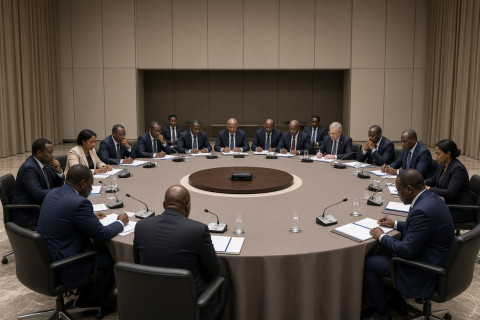
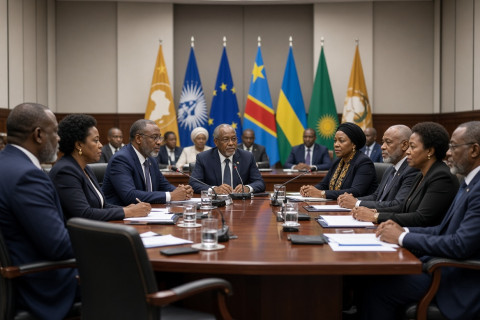
Cameroon’s parliament has voted to extend its mandate until December, officially delaying crucial legislative elections in a move that critics say helps President Paul Biya consolidate power ahead of an inevitable political transition.
The vote follows Biya's decree earlier this spring to push back both municipal and parliamentary polls, with the government citing unspecified "administrative and financial constraints." The extension keeps the current National Assembly in place, though authorities have yet to lock in a firm date for citizens to head to the ballot box.
The delay caps off a tense political season in Yaoundé. Just weeks before freezing the election calendar, the ruling-party-dominated parliament cleared major constitutional overhauls—the most significant being the reintroduction of the position of vice president, creating a brand-new succession mechanism if the presidency becomes vacant.
While government spokespeople are framing these quick-fire legal changes as a routine strategy to ensure political stability, opposition leaders are calling foul. They argue the regime is systematically moving the goalposts to control who takes over from Biya, who is now 93 years old and has ruled the oil-producing nation since 1982.
For regional neighbors and foreign investors, the sudden political reshuffle adds a layer of anxiety. Cameroon anchors the Central African economic bloc and acts as the primary transit corridor for landlocked states like Chad. Maintaining stability is critical, especially as the country continues to battle a lingering separatist conflict in its Anglophone regions and push through tough IMF-backed economic reforms.
With the legislative elections officially on ice, all eyes now turn to how the newly minted vice-presidential office will be filled—a choice that will likely signal who Biya has picked to succeed him after 44 years in power.