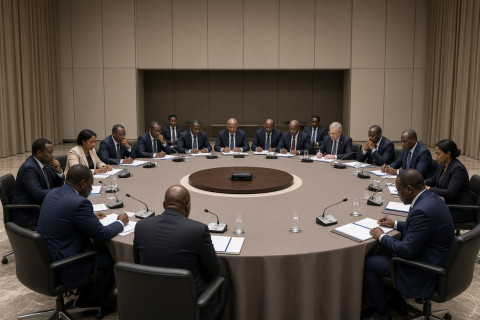
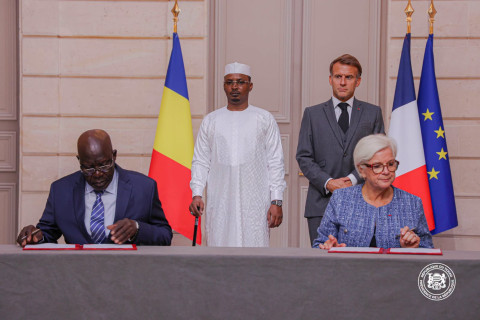
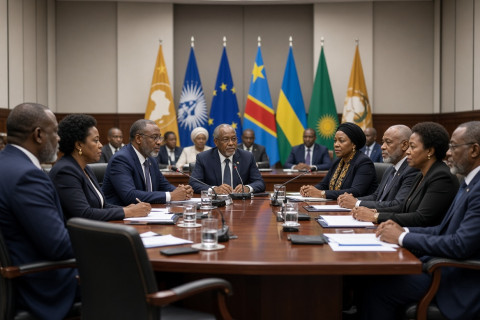
Economic integration within the Central African Economic and Monetary Community (CEMAC) is entering a more demanding phase. Although the bloc's six member states—Cameroon, the Republic of the Congo, Gabon, Equatorial Guinea, the Central African Republic, and Chad—share a common currency and central bank, fiscal policy has traditionally remained largely a national responsibility. During periods of strong commodity revenues, governments often postponed structural reforms while making uneven progress toward deeper regional integration. Today, tighter financing conditions, rising debt-servicing costs, and shrinking fiscal space are making closer policy coordination increasingly important for preserving macroeconomic stability across the monetary union. These challenges were at the center of the extraordinary summit of CEMAC Heads of State in Brazzaville, where regional leaders focused on fiscal pressures, liquidity constraints, and the need for stronger economic coordination. The discussions underscored growing recognition that persistent fiscal imbalances in one member state can have broader implications for the stability of the entire monetary union. As the Bank of Central African States (BEAC) continues to emphasize prudent reserve management and financial stability, governments are placing greater emphasis on regional policy coordination alongside their national economic policies.
The changing economic environment has also strengthened the role of regional institutions. Rather than expanding their formal authority, institutions such as BEAC and the CEMAC Commission have focused on more consistent implementation of existing regional rules. BEAC has intensified efforts to improve compliance with foreign exchange regulations, particularly in the extractive industries, where export proceeds remain a critical source of foreign currency. At the same time, the CEMAC Commission has continued to expand its work on regional competition policy and cross-border commercial oversight, reflecting broader efforts to strengthen the institutional framework of the common market. Regional coordination is also becoming more prominent in discussions with international financial institutions. While each CEMAC member continues to negotiate its own economic program with organizations such as the International Monetary Fund (IMF), governments are increasingly aligning their positions on regional financial reforms. International partners have consistently encouraged stronger domestic revenue mobilization, deeper regional capital markets, improved public financial management, and greater adherence to the bloc's fiscal and monetary frameworks as part of a broader strategy to strengthen economic resilience.
Although national governments remain responsible for fiscal policy, membership in a monetary union requires greater coordination when external economic pressures intensify. As financing conditions remain challenging and fiscal buffers continue to narrow, regional institutions are likely to play a larger role in strengthening financial oversight, supporting macroeconomic stability, and promoting policy coordination across member states. The next phase of CEMAC's integration will be defined less by new commitments than by the consistent implementation of reforms already agreed upon by its member states.