Russia's war economy is reaching far beyond the battlefield. In recent years, Moscow has built a recruitment pipeline stretching from African job markets to a drone production complex in Tatarstan, using promises of employment, training and a better future to attract young foreign workers. At the center of this system is Alabuga Start, a program officially presented as an opportunity for young women aged 18 to 22 from Africa, Asia and other regions to gain professional experience in Russia. Its advertised fields include hospitality, logistics, vehicle operation and production. The program promises accommodation, a salary and a path to professional development.
But for some African recruits, the reality has been very different.
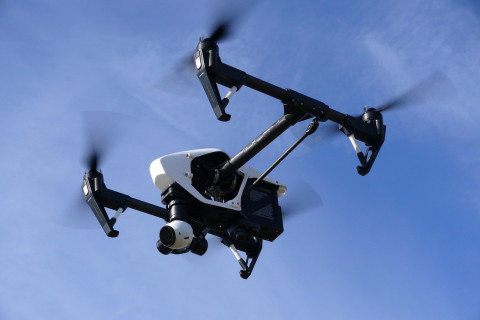
The destination is Alabuga Special Economic Zone in Tatarstan, which has become Russia's main production hub for Shahed-type attack drones, known in Russia as Geran-2 and Geran-3. The drones are used extensively in Russia's war against Ukraine. As production expanded, so did the need for workers — and foreign recruitment became part of the solution. Investigations have documented cases involving young African women who said they were attracted by offers of jobs or training but subsequently found themselves working in drone production. Reports have described long working hours, surveillance, restrictions on movement and exposure to hazardous materials. These allegations have prompted concerns over labor exploitation and possible human trafficking.
The African dimension is particularly important.
Recruitment initially focused heavily on African countries, with young women targeted through online advertising and local intermediaries. Cameroon has emerged as one of the clearest cases. A Yaoundé-based company, Enangue Holdings, was sanctioned by the United Kingdom in May 2026 over its alleged role in recruiting foreign nationals, primarily Cameroonians, for the Alabuga Start program. The British sanctions designation describes the program as using deceptive practices to recruit people, including from vulnerable groups, for work connected to Russia's drone production.
This makes Alabuga more than a controversial labor program. It is part of the manpower infrastructure supporting Russia's wartime industrial capacity.
The significance extends beyond Ukraine. Russia is effectively drawing on international labor markets to address shortages inside a strategically important sector of its defense industry. For African countries, the model creates a new security concern: economically vulnerable young people can become targets of recruitment networks whose ultimate destination is not simply a foreign workplace, but an industry directly supporting an ongoing war. The program has also continued to expand geographically. Recent reporting shows Russia recruiting young women from Latin America through the same Alabuga Start model, suggesting that the recruitment system is no longer limited to its original African base.
For African governments, the challenge is therefore no longer limited to protecting citizens from fraudulent employment offers. It is also about understanding where those recruitment pipelines lead — and whether foreign labor migration is being quietly integrated into another country's military-industrial system. Alabuga Start illustrates a broader shift in modern warfare: the battlefield may be in Ukraine, but part of the labor system sustaining the war can reach deep into Africa.