Libya is deepening practical security cooperation with the United States as regional security pressures drive closer coordination with international partners, even as Libyan military actors maintain ties with Russia.
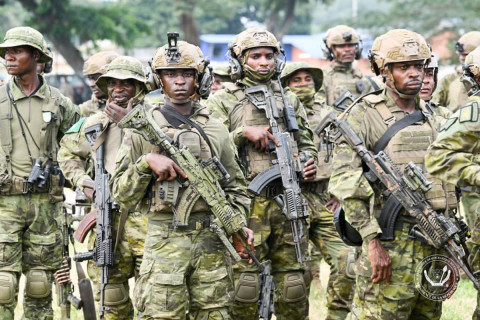
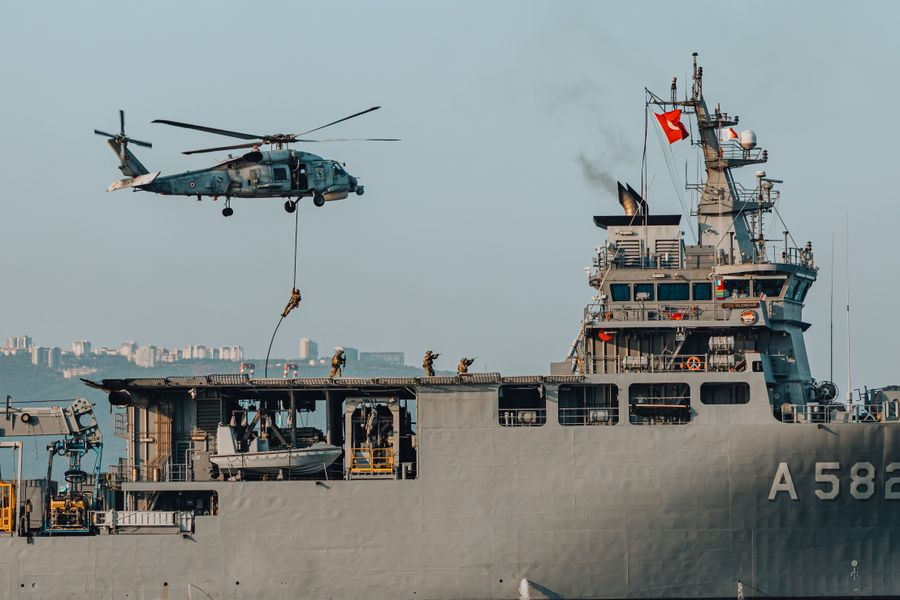
The latest example came during Phoenix Express 2026, a multinational maritime exercise held in Tunisia from September 7 to 18. U.S. Marines and Libyan Naval Special Forces trained together in visit, board, search and seizure operations in Bizerte, focusing on capabilities used in maritime security operations. The exercise brought together North African and U.S. maritime forces to strengthen cooperation and operational expertise in the southern Mediterranean.
The training reflects a broader expansion of U.S.-Libyan security cooperation in 2026. In April, Libya hosted an operating location for Flintlock, U.S. Africa Command’s annual special operations exercise, for the first time. The exercise brought together about 1,500 personnel from more than 30 African and international partner nations and focused on interoperability, collective readiness and counterterrorism capabilities.
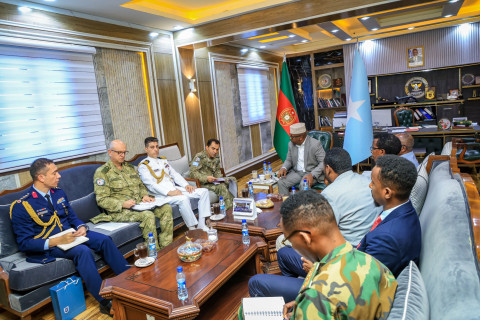
The cooperation has also extended beyond individual exercises. In August, security leaders from eastern and western Libya visited Ramstein Air Base in Germany to discuss air mobility, aviation coordination and the development of an integrated air command. U.S. officials described the engagement as part of efforts to support Libyan-led military unification and strengthen the country’s ability to assume greater responsibility for its own security.
Washington has continued to frame the relationship around shared security interests rather than a formal military alliance. In late August, the commander of U.S. Special Operations Command Africa met with senior Libyan military leaders to discuss stronger military coordination and expanded cooperation around shared regional security challenges.
At the same time, Libya’s external military relationships remain diverse. Eastern Libyan forces have maintained close ties with Russia, with senior members of the Libyan National Army discussing military cooperation, training and operational capabilities with Russian officials in Moscow in May.
This does not necessarily place Libya in a choice between Russia and the United States. For countries dealing with fragmented security environments and overlapping regional threats, maintaining working relationships with multiple external partners can provide access to different forms of training, equipment, expertise and operational cooperation.
Libya’s recent engagement with the United States illustrates that approach. Maritime security cooperation with Washington does not require abandoning other military relationships, while participation in multinational exercises gives Libyan forces access to partners from across North Africa, Europe and the wider international security system.
The immediate focus is on practical security needs. Phoenix Express is designed to improve maritime cooperation in the southern Mediterranean, while Flintlock has emphasized counterterrorism and interoperability. Other U.S.-Libyan engagements have focused on aviation and military coordination.
For Libya, the value of these partnerships therefore lies less in choosing one external power over another than in developing capabilities that can address specific security challenges. Its growing cooperation with the United States shows how regional security needs can encourage practical engagement across geopolitical lines, even as Libya continues to navigate a complex network of relationships with Russia, Europe and other international partners.