The World Bank has approved a $250 million financing package for the Kinshasa Urban Transformation and Jobs Program, legally dubbed "Kin la Belle." The initiative targets the catastrophic solid waste management crisis in the Democratic Republic of the Congo’s capital, explicitly tying environmental cleanup to mass youth employment.
Kinshasa is currently one of Africa's fastest-growing megacities, home to over 17 million residents and on track to become the continent's most populous urban zone by 2030. However, municipal services have failed to scale with this demographic surge. The city currently generates an estimated 12,000 tons of solid waste every single day—98% of which is openly dumped or burned in unsecured urban areas. During heavy rains, this uncollected refuse systematically clogs the city’s drainage channels, triggering severe infrastructure flooding and driving outbreaks of waterborne diseases in low-income, high-density neighborhoods.
The "Kin la Belle" program shifts from temporary clean-up campaigns toward permanent infrastructure. Phase one of the project will fund the construction of a network of neighborhood collection points, mechanized transfer stations, and the city’s first engineered sanitary landfill and integrated waste management center.
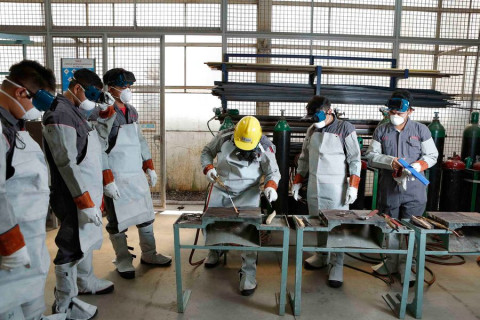
Socioeconomically, the project is structured as a labor-intensive employment vehicle. It aims to directly create 70,000 formal, better-paid jobs within the local waste value chain, prioritizing women, youth, and vulnerable urban populations. By integrated private sector partnerships into recycling, sorting, and transport, the program seeks to institutionalize a functional circular economy in a capital where formal employment remains critically scarce.