In most countries, distance is measured in kilometers. In the Central African Republic (CAR), it is often measured in opportunity. Whether a child reaches school, a patient reaches a hospital, or a farmer reaches a market frequently depends not on distance alone, but on whether a road remains passable. That challenge is particularly acute in one of Africa's least connected countries. According to the World Bank, CAR's road density stands at just 1.5 kilometers per 100 square kilometers—roughly one-tenth of the average for Sub-Saharan Africa. During the rainy season, many communities, particularly in the country's eastern regions, become isolated for months as roads turn impassable.
The consequences extend far beyond transport. More than 80% of the country's international trade moves through a single route—the Douala–Bangui Corridor, linking CAR with the Cameroonian port of Douala. Stretching over 1,400 kilometers, the corridor remains the country's principal gateway for imported food, medicine, fuel, and industrial goods.
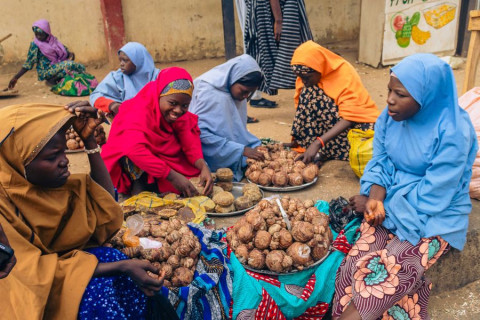
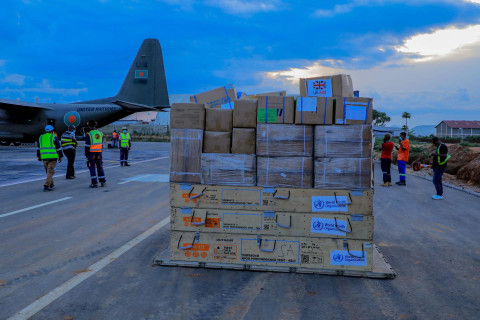
Yet moving cargo along that route remains expensive and unpredictable. According to the World Bank, transporting freight to Bangui can take 9 to 12 days even under normal conditions, while logistics costs average around $270 per tonne. Numerous checkpoints and administrative procedures further increase delays and transport costs, which are ultimately reflected in consumer prices across the country. For ordinary households, these inefficiencies translate directly into the cost of everyday life. Higher transport costs push up food prices, increase the cost of imported essentials, and raise operating expenses for local businesses. Humanitarian agencies also face growing difficulties delivering food, medicines, and emergency supplies to remote communities, particularly when disruptions affect the country's main supply route.
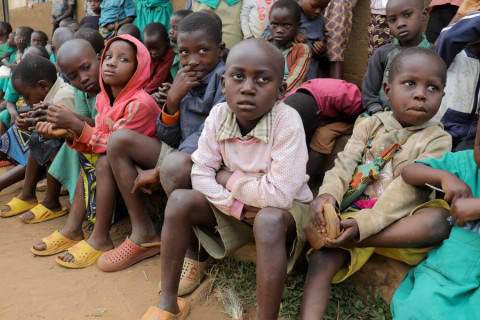
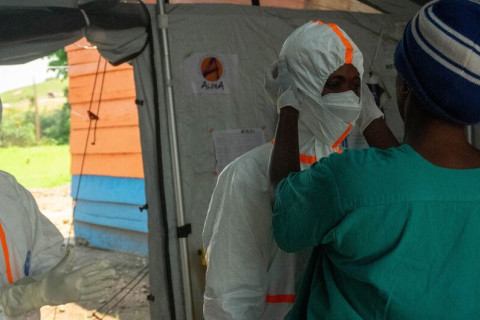
The social consequences become even more pronounced during the rainy season. As roads deteriorate, some rural communities lose reliable access to healthcare and education for weeks or even months. Teachers struggle to reach isolated schools, patients face longer journeys to medical facilities, and farmers are often unable to bring their harvests to market before they spoil. In this environment, transport infrastructure is no longer simply an economic asset—it becomes a prerequisite for basic public services and everyday life. The impact has been visible before. During disruptions along the Douala–Bangui Corridor in recent years, hundreds of trucks carrying food, humanitarian supplies, and water-treatment chemicals were delayed, contributing to sharp increases in the prices of essential goods in Bangui. For a country where a significant share of the population already lives in poverty, transport interruptions quickly become a humanitarian issue rather than merely a logistical one.
Recognizing these constraints, regional governments and international partners have shifted their focus toward improving connectivity. In June 2026, the World Bank approved a $1.12 billion program to modernize the Douala–Bangui economic corridor. The initiative extends beyond road rehabilitation, incorporating logistics improvements, institutional reforms, and measures designed to lower transport costs while improving access to markets and essential services. Regional organizations such as CEMAC and CEEAC have likewise identified transport connectivity as a cornerstone of regional integration. For a landlocked country like CAR, improving infrastructure is not simply about facilitating trade; it is about reducing the structural disadvantages that have long limited economic and social development. In the Central African Republic, poverty is often measured by income. Yet geography can be just as decisive. Until reliable roads connect communities with markets and essential services throughout the year, distance itself will remain one of the country's greatest barriers to opportunity.