The peace process in eastern Democratic Republic of Congo is usually measured through ceasefire commitments, negotiations and high-level negotiations. For millions of displaced Congolese, however, the test is much simpler: can they safely return home and rebuild their lives?
The answer remains uncertain.
The DRC is currently facing one of the world's largest and most severe displacement crises, with around 6.9 million internally displaced people, according to UNHCR. More than five million are in the eastern provinces of North Kivu, South Kivu and Ituri. Recent movements show how fragile any return process remains. In July, South Kivu recorded 55,539 newly displaced households, while only about 3,200 returning households were documented.
The figures point to a basic problem: people cannot return faster than security conditions improve.
Going Home Is Only the First Step
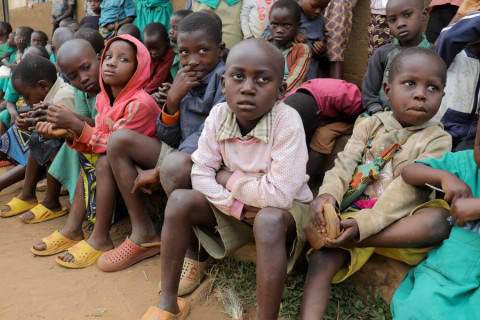
Even when fighting subsides, returning home does not automatically mean returning to normal life. Families may find damaged houses, disrupted water supplies, limited healthcare and schools that are no longer functioning. Many have also lost access to farmland, markets, jobs or other sources of income during displacement. Education is particularly important. Attacks and the military use of schools remained a serious problem in North Kivu, South Kivu and Ituri in 2024–2025, with at least 350 attacks on schools recorded during the period.
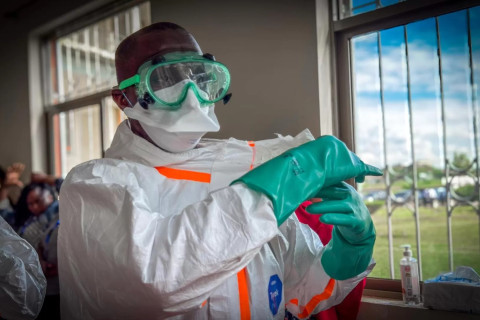
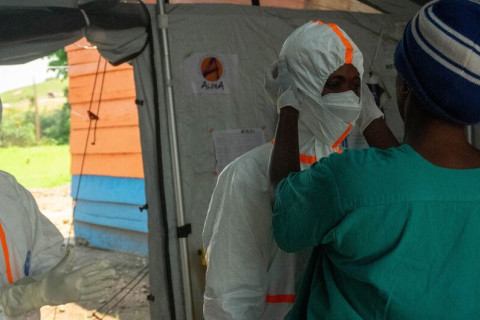
The health system faces another major test. The Ebola outbreak that began in May 2026 is unfolding in a region already affected by conflict, displacement and limited access to healthcare. By August 11, the outbreak had produced 4,381 confirmed cases and 2,011 confirmed deaths across the DRC, according to Reuters.
For returning families, security and public services are therefore inseparable.
Peace Must Create Conditions for Return
This is where the humanitarian dimension of the DRC peace process becomes critical.
Negotiators can agree on ceasefires, prisoner swamp and monitoring mechanisms. But sustainable peace will ultimately depend on whether those arrangements create conditions in which displaced families can return voluntarily, safely and with a realistic chance of rebuilding their lives. That requires more than stopping armed clashes.
It means restoring basic services, reopening schools and health facilities, rebuilding damaged homes and infrastructure, restoring access to farmland and markets, and protecting vulnerable groups. It also requires sustained international support. The DRC's 2026 humanitarian response remains severely underfunded: by the end of March, the $1.4 billion humanitarian response plan had received only $424.5 million, or 30.2% of the required funding.
The Bottom Line
The DRC's peace process should therefore be judged by more than what is signed or announced at the negotiating table. The real measure of peace will be whether families can return home, keep their children in school, access healthcare and rebuild their livelihoods without having to flee again.
Until that happens, a ceasefire may reduce violence — but it will not yet have restored normal life.