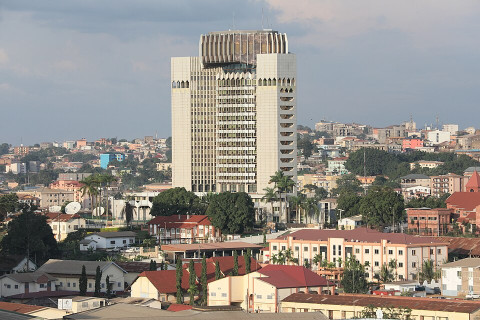
Over the past decade, Central Africa has witnessed one of the largest waves of infrastructure investment in its modern history. New ports, railways, power plants, mining projects, and transport corridors are gradually reshaping the region's economy. Yet a new constraint is beginning to emerge—one that cannot be solved by concrete, steel, or foreign capital alone.
The region's next development challenge is increasingly human capital.
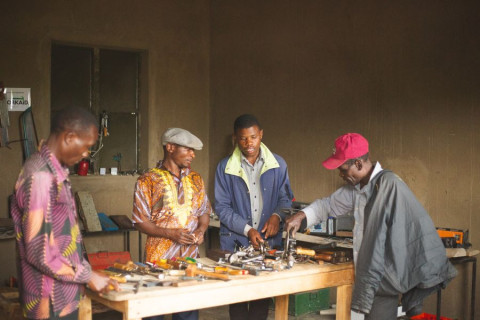
As mining, energy, logistics, and digital industries expand, demand for skilled workers is growing just as quickly. Engineers, electricians, logistics specialists, IT professionals, equipment operators, and technicians are becoming essential to the region's economic transformation. Yet many companies are discovering that building infrastructure is easier than finding qualified people to operate it. The problem is no longer simply access to education. It is the widening gap between what education systems provide and what modern labor markets require. Across much of Central Africa, schools and universities continue to emphasize academic qualifications, while employers increasingly seek practical technical skills. The result is a growing paradox: youth unemployment remains persistently high even as businesses struggle to recruit qualified workers.
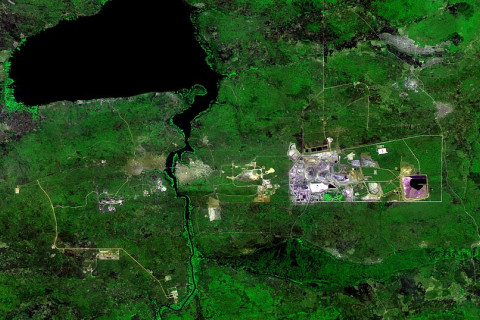
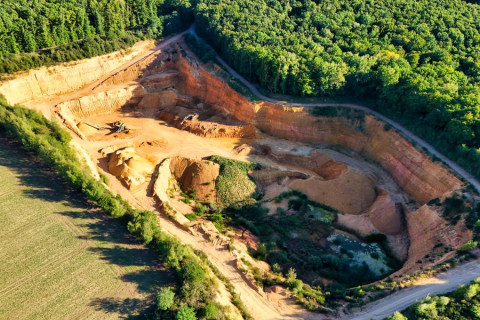
The challenge is particularly visible in industries attracting the largest investment. Mining projects, expanding electricity networks, transport corridors, and digital infrastructure all depend on specialized expertise that remains in short supply. Without a stronger pipeline of skilled professionals, countries risk relying on imported expertise to operate assets built with billions of dollars in investment.
Governments have begun expanding vocational education and strengthening partnerships between industry and training institutions, while private companies are investing more heavily in workforce development. Progress, however, remains uneven, and existing efforts are still falling short of the region's rapidly changing economic needs. For years, discussions about Central Africa's development have focused on financing infrastructure. Those investments remain essential, but infrastructure alone cannot deliver lasting economic transformation. Infrastructure creates opportunity. Human capital determines whether that opportunity becomes prosperity.
Central Africa has already begun building the physical foundations of its future. The next stage of development will depend on whether it can build something equally important—a workforce with the skills needed to power the region's changing economy. In the coming decade, the region's most valuable resource may prove to be not what lies beneath its soil, but the capabilities of the people living above it.