Burkina Faso has inaugurated its first gold refinery as the military-led government seeks to retain more value from the country’s mineral resources and strengthen state control over the gold trade.
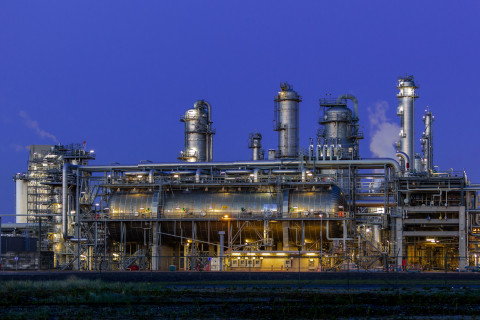
President Ibrahim Traoré opened the National Gold Refinery of Burkina Faso, known as RAFFINOR-BF, in Ouagadougou on September 28, according to Xinhua.
The facility was built at a cost of approximately $19 million, with financing from the state, the National Precious Substances Company and private-sector partners.
The refinery has an initial capacity to process 164 tons of gold annually. Authorities plan to expand that capacity to 515 tons in a second phase, a figure that could allow the facility to handle production from Burkina Faso and potentially other countries in the region.
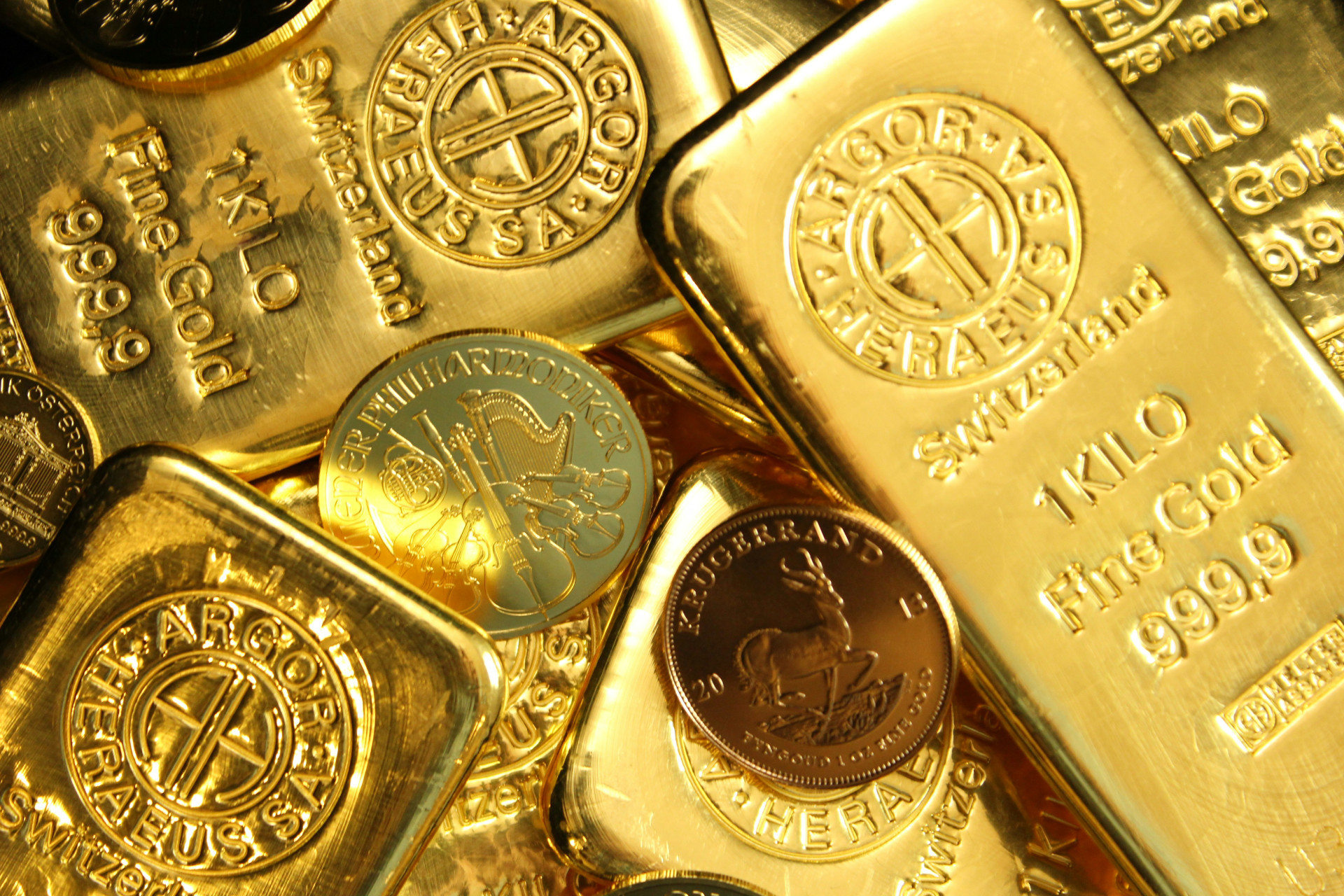
The plant will refine doré gold into high-purity bars and provide services including assaying, certification and secure storage. By carrying out those activities domestically, the government hopes to reduce dependence on overseas refineries and retain a larger share of the revenue generated by the country’s leading export.
“Gold from Burkina Faso must not only be extracted in Burkina Faso, it must be processed, controlled, valued and certified in Burkina Faso,” Traoré said at the inauguration.
Burkina Faso produced about 94 tons of gold in 2025. The refinery’s initial capacity therefore exceeds the country’s current reported output, although its rated capacity does not mean the plant will operate at full volume or receive all domestically mined gold.
The project is part of Traoré’s broader campaign to increase national ownership of the mining sector. Since taking power in a 2022 coup, the junta has promoted domestic processing, nationalized several mining assets and criticized arrangements that leave African producers exporting raw materials while foreign companies capture much of the downstream value.
Authorities also expect the refinery to improve oversight of artisanal and informal mining, where smuggling remains widespread. The government has linked illicit gold flows to the financing of jihadist groups operating in Burkina Faso’s conflict-affected regions.