According to official statements from the US and Europe, the Lobito Corridor project is a major economic success. They describe it as a large railway line funded by Western countries that stretches across Angola, Zambia, and the DRC. The main goal is to transport minerals like copper and cobalt directly to Western markets and completely bypass trade routes dominated by China.
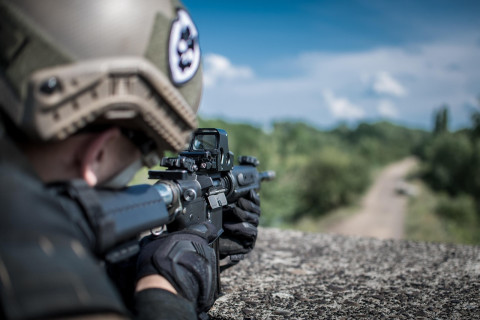
But step away from the shiny PowerPoint presentations and look at the actual tracks right now, in the summer of 2026. It doesn’t look like a triumph of peaceful trade. It looks like a fortress.
The corporate veneer has completely rubbed off. What was supposed to be a standard commercial transport line has rapidly transformed into a heavily fortified, privatized security zone.
Protecting the Cargo, Bypassing the State
Let’s be honest: moving billions of dollars worth of critical minerals through hundreds of miles of volatile African brush is an operational nightmare. Western mining giants realized very early on that they couldn't rely on local national armies to protect their investments. Local troops are either underfunded, stretched too thin fighting rebel groups like the M23, or simply unreliable.
So, corporate balance sheets took matters into their own hands. Today, the Lobito railway operates almost like an independent, corporate-owned state within a state.
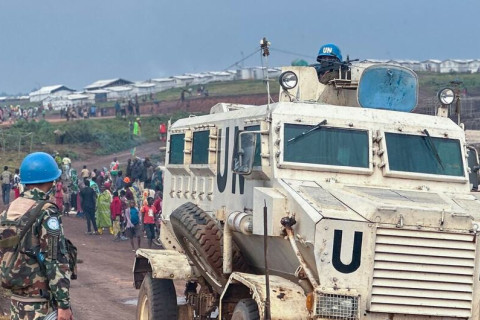
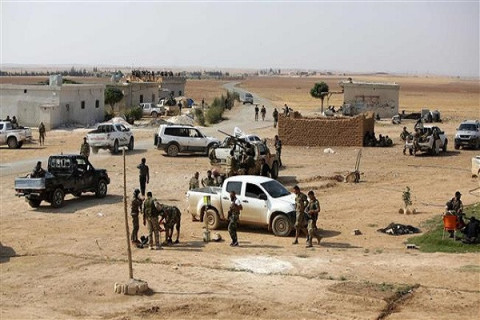
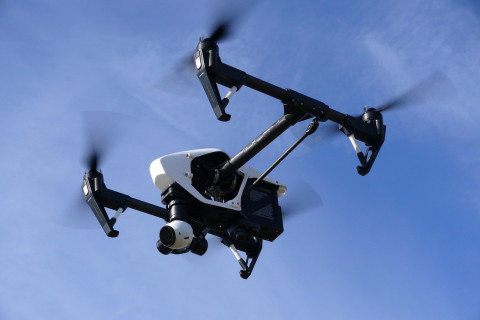
Instead of regular soldiers, the tracks are guarded by specialized private military contractors, high-end drone surveillance grids, and elite local tactical units paid directly by the mining consortia. There are strict, heavily armed exclusion zones extending fifty yards on either side of the rails. If you are a local villager living nearby, this railway isn't for you. You can't ride it, and you can't use the space around it. You just watch the armored cargo carriages roll past, guarded by men with assault rifles who answer to a board of directors thousands of miles away.
The Cheap Way to Stop a Train
Predictably, this heavy militarization hasn't stopped the violence; it has just changed the rules of the game. Rebel groups and local smuggling syndicates have figured out that they don't need to fight a head-on battle against a well-equipped corporate army.
Instead, they are turning to cheap, asymmetric disruption.
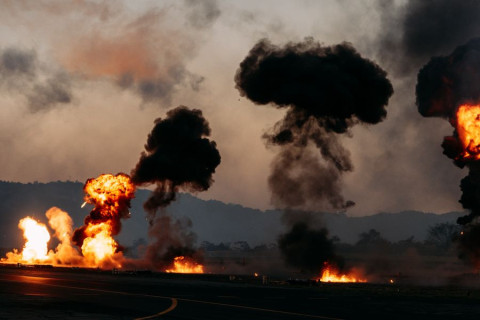
Why risk an open gunfight when you can simply cut the power lines to a processing plant, sabotage a bridge crossing, or bury a homemade IED under a section of the tracks? It costs next to nothing, it keeps the attackers safe in the deep brush, and it hits the investors exactly where it hurts most: the wallet. Every hour a train is delayed costs millions. This has sparked a silent, vicious cat-and-mouse game along the corridor—a gritty shadow war that never makes it into international news cycles but completely dictates the flow of global resources.
The brutal truth of 2026 is that the old illusion of peaceful, diplomatic global trade is dead. If you want the resources to fuel the green energy transition, you can no longer just buy them; you have to physically defend the pipeline yourself.
Sovereignty along these trade routes doesn't belong to the governments in Kinshasa or Luanda anymore. It belongs to whoever can keep the trains moving. For Western markets, the real cost of African copper and cobalt is no longer just the market price on the London Exchange. It is the monthly invoice for the private army, the drone fleets, and the heavy security infrastructure required to keep the wilderness from swallowing the tracks.