When Nigerian fintech company Nomba entered the Democratic Republic of Congo last year, it was making more than a commercial expansion. It was betting that one of Africa's least developed digital markets could become one of its fastest-growing.
The opportunity is real. According to GSMA, digital transformation could add billions of dollars to the DRC's economy over the coming years, while mobile money continues to reshape financial services across Sub-Saharan Africa.
But there is one condition that no fintech company can solve on its own - Infrastructure.
Across Central Africa, smartphones are becoming everyday business tools. They allow people to transfer money, pay bills, promote small businesses, access online education, and communicate with customers without visiting a bank or government office. For many communities, mobile technology is expanding access to services that traditional infrastructure has struggled to provide.
Yet every digital transaction still depends on something much less visible.
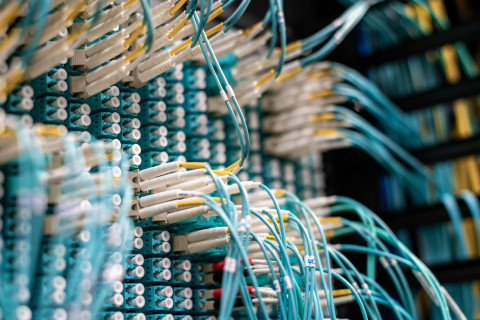
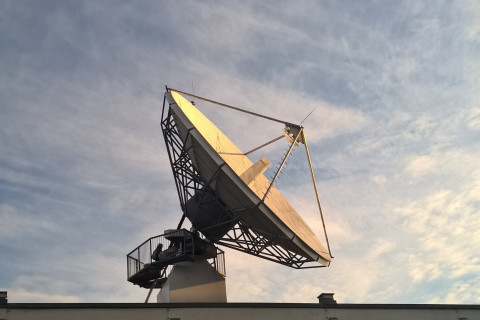
Reliable electricity keeps phones charged. Mobile towers connect users to the network. Fiber-optic cables move data between cities and across borders. Without those systems, even the most advanced digital platform cannot function consistently.
That is why the region's digital economy is becoming closely tied to infrastructure investment.
Mobile money is expanding because telecommunications networks continue to grow. Digital entrepreneurship is spreading because smartphone ownership is rising. But neither trend can reach its full potential where electricity remains unreliable or internet coverage is limited.
The relationship is becoming increasingly important for investors.
Telecommunications companies, fintech firms, energy developers, and infrastructure investors are no longer operating in separate industries. Expanding mobile payments depends on reliable power. Digital businesses need stronger connectivity. New data services require both electricity and transport networks capable of supporting investment.
Projects such as Angola's rural electrification program, regional fiber-optic expansion, and cross-border transport corridors are therefore doing more than improving infrastructure. They are creating the foundation on which Central Africa's digital economy can grow.
That helps explain why companies are beginning to look more closely at markets that were once considered too difficult.
The biggest opportunity is not replacing existing banking systems. In many parts of Central Africa, there are few banking systems to replace.
Digital platforms are often competing with cash itself. Whether they succeed will depend less on smartphone sales than on the pace of infrastructure development.
Central Africa's digital transformation is already underway.
Its long-term success, however, will depend on investments that have little to do with software—and everything to do with the physical networks that keep the digital economy connected.