In the Central African Republic (CAR), the biggest barrier to saving lives isn't a lack of medical expertise—it’s the absolute tyranny of distance. For pregnant women in remote villages, developing severe obstetric complications means starting a brutal race against time. In a country where the transport network has been completely hollowed out by decades of war and zero investment, the journey to a hospital is exactly where the healthcare system breaks down.
The Logistics Gap
The primary bottleneck in rural healthcare is that standard four-wheel-drive ambulances are useless. They are prohibitively expensive to buy, require complex parts, and fundamentally cannot handle the geography. During the rainy season, unpaved secondary roads turn into impassable mud traps, completely cutting off entire villages from district hospitals capable of performing emergency surgeries. To bypass this infrastructure vacuum, health authorities and the WHO shifted to a pragmatic, low-tech solution: three-wheeled motorcycle ambulances. The practical advantages of this shift are straightforward:
- High Terrain Adaptability: They easily navigate narrow forest tracks, broken bridges, and thick mud that would instantly trap a standard vehicle.
- Low Cost and Scalability: They require less than a third of the operating budget of a regular fleet, making them financially sustainable for cash-strapped rural districts.
- Simple Maintenance: Unlike high-tech imports, these bikes can be serviced locally using widely available motorcycle parts and skills already present in the informal economy.
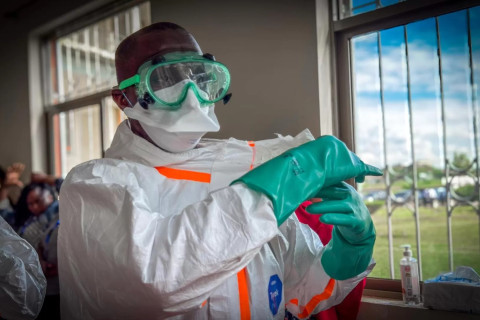
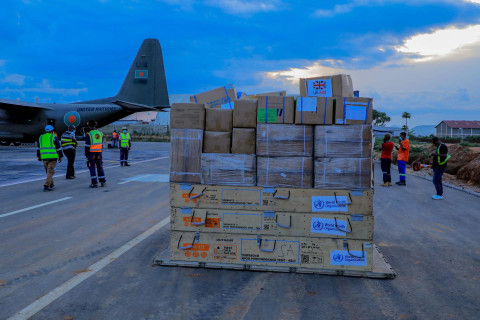
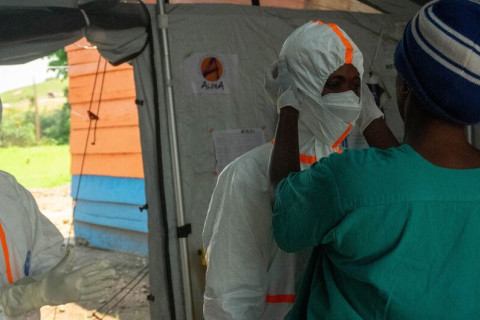
The operational value of these three-wheeled units extends far beyond maternal health. They have become a critical asset in containing highly infectious disease vectors in remote areas, especially during recent mpox outbreaks. When an outbreak hits an isolated settlement, waiting for a centralized medical team takes too long. These motorcycle units act as a rapid-response logistics network—fast enough to extract patients, deliver diagnostic samples, and distribute therapeutics before a localized outbreak spirals into a wider epidemiological crisis.
Pragmatism Over Sophistication
The success of the project highlights a critical rule for development planning: appropriateness always beats sophistication. Wealthier nations and international donors frequently export healthcare models that assume a perfect operating environment—paved highways, stable fuel supplies, and deep municipal budgets. In rural Africa, importing these systems just creates broken, unmaintainable junk. By focusing purely on the transport link between local health centers and referral hospitals, the project optimizes the fragile infrastructure that already exists. It doesn’t try to build an advanced surgical theater in every village; it simply finds a reliable way to get the patient to one. Motorcycle ambulances are not a cure-all. They don't solve the acute shortage of trained doctors, empty blood banks, or the lack of basic medications in CAR. But they do solve the specific logistical paralysis that has killed people for decades. The takeaway for regional policymakers is clear: in low-resource environments, transforming public health doesn't require building flashy new facilities. It requires finding a resilient, cheap way to cross the final kilometer.