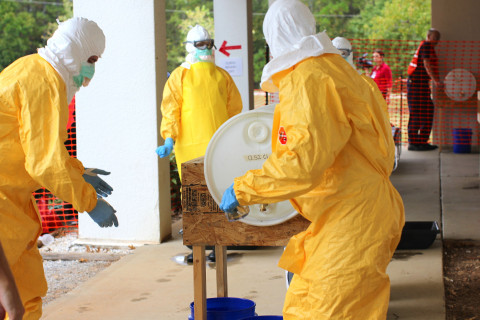
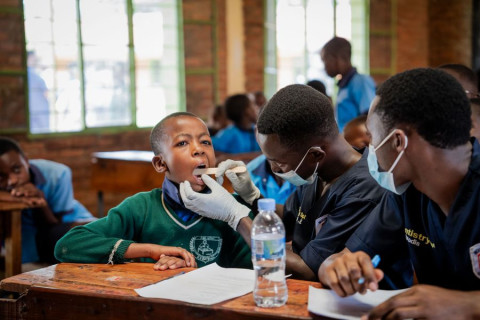
When cholera returns, it rarely signals only a public health emergency. More often, it reveals deeper structural weaknesses in access to essential public services. The latest outbreak in the Central African Republic illustrates that connection with unusual clarity. Since late June, health authorities have confirmed hundreds of cholera cases in communities around Bangui, prompting an emergency response from national authorities and international organisations. Nearly half of all confirmed infections involve children under the age of ten—a statistic that points beyond the disease itself to persistent deficiencies in sanitation, hygiene and access to safe drinking water. According to UNICEF, the current outbreak has disproportionately affected young children, underscoring the close relationship between inadequate water and sanitation services and heightened public health risks for the country's most vulnerable communities. While cholera is caused by a bacterial infection, its continued presence is widely recognised as an indicator of infrastructure deficits rather than a purely medical problem, exposing vulnerabilities that extend well beyond the healthcare sector.
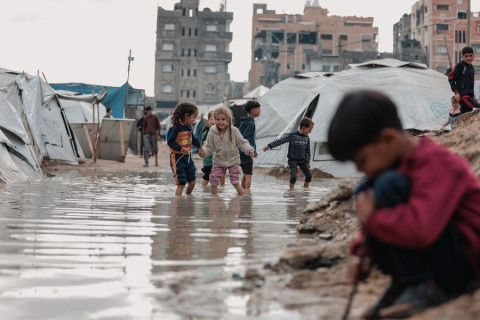
The outbreak also highlights a broader imbalance in development priorities across parts of Central Africa. Governments and international development partners continue to invest in transport corridors, power generation projects and logistics infrastructure, yet access to safely managed water and sanitation has improved far more slowly. According to the WHO/UNICEF Joint Monitoring Programme, only a minority of households in the Central African Republic have access to safely managed drinking water services, while safely managed sanitation remains available to an even smaller share of the population. For millions of people, rivers, shallow wells and other untreated sources continue to provide daily water supplies, leaving entire communities exposed to diseases that are almost entirely preventable.
The consequences extend far beyond the immediate health emergency. Cholera outbreaks place additional pressure on already fragile healthcare systems, disrupt school attendance, reduce labour productivity and force governments to divert scarce financial resources toward emergency response instead of long-term development. These recurring costs rarely appear in discussions about infrastructure investment, yet they directly affect economic resilience and the quality of life across affected communities. International organisations are attempting to address these structural challenges. UNICEF, together with national authorities and humanitarian partners, has expanded emergency water treatment, sanitation and hygiene programmes in the affected districts, while development institutions continue supporting longer-term investments in public water infrastructure. The current outbreak nevertheless demonstrates how large the implementation gap remains. Building major infrastructure projects is essential for economic growth, but the benefits of development remain uneven when basic public services fail to reach large segments of the population.
The events unfolding in the Central African Republic therefore raise a broader question about how development is measured. Roads, power stations and logistics hubs remain essential components of economic growth, but their long-term value ultimately depends on whether societies also secure universal access to the basic services that protect public health. As long as preventable diseases continue to spread because communities lack safe water and adequate sanitation, infrastructure investment alone will struggle to deliver its full social and economic impact.