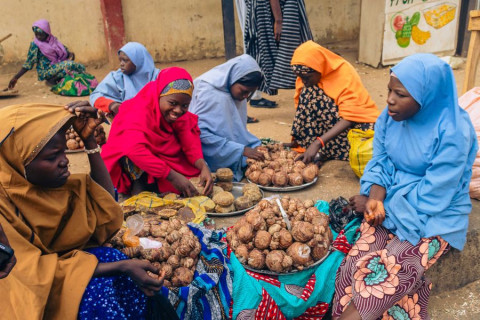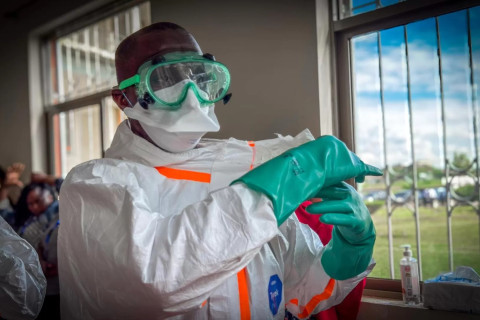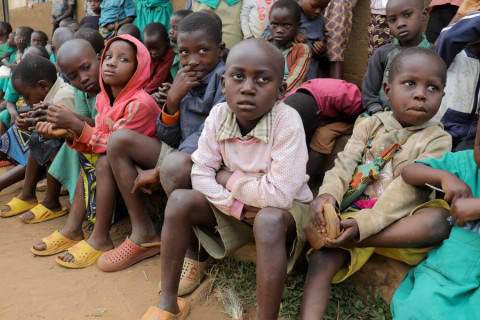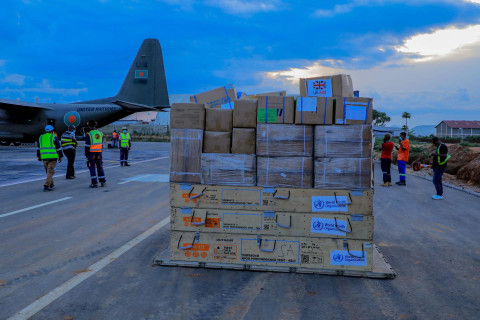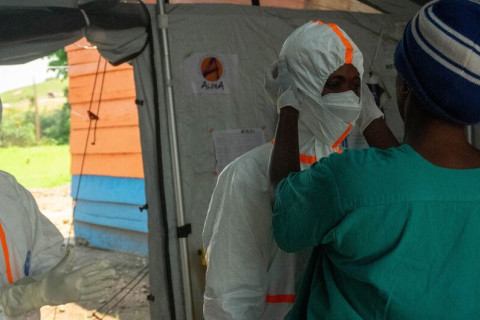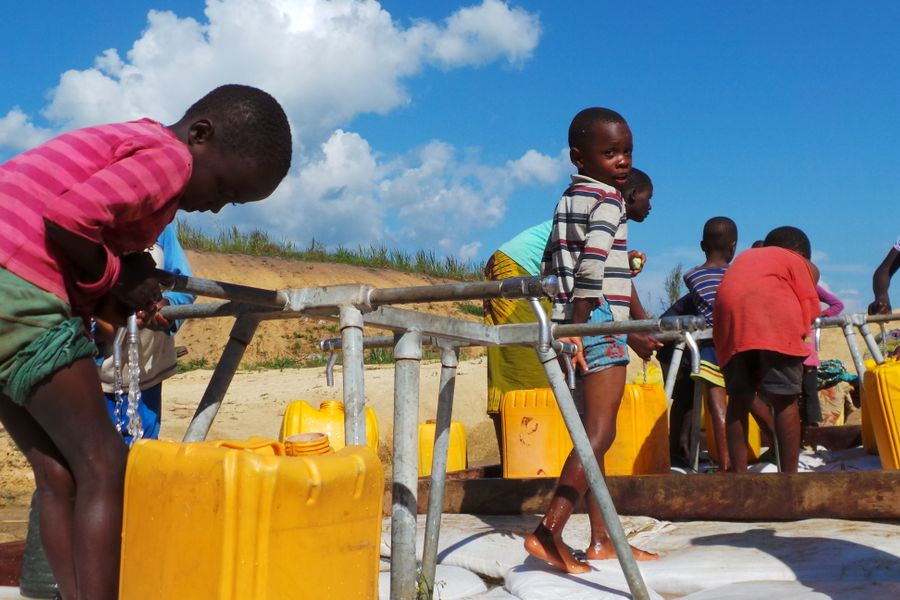
Cholera is spreading rapidly across West and Central Africa, with active outbreaks now in six countries and millions of children at growing risk, UNICEF warned on August 12. The agency is calling for urgent funding and coordinated action to contain what it describes as a preventable crisis that is accelerating due to seasonal rains, flooding, population displacement and cross-border transmission.
The affected countries — the Democratic Republic of Congo (DRC), the Republic of Congo, Nigeria, Chad, Cameroon and the Central African Republic (CAR) — are experiencing outbreaks along two major transmission corridors: the Lake Chad basin and the Congo River basin. The same strain of Vibrio cholerae O1 Ogawa is circulating across the region, underscoring the cross-border nature of the threat.
The Scale of the Crisis
The DRC has recorded the highest death toll of any affected country, with nearly 700 deaths from more than 30,400 cases. Nigeria is the second most affected, with more than 50,000 cases and 338 deaths reported since the beginning of the year.
Children are disproportionately affected. In the DRC, children under five now account for nearly 26% of cases, reflecting both their biological vulnerability and the limited access to clean water, sanitation and healthcare in affected communities. Without stronger containment measures, UNICEF warns that the region may face its worst cholera crisis since 2017. The outbreak comes as the region enters the peak of the rainy season, which typically runs from June to September. Heavy rainfall and flooding contaminate water sources, overwhelm sanitation infrastructure and create ideal conditions for the bacteria to spread. Population displacement — driven by conflict in the Lake Chad basin, the DRC and CAR — further accelerates transmission as communities move to overcrowded camps with limited access to safe water.
The Response Gap
UNICEF is calling for $15 million in emergency funding to scale up its response across the affected countries. The agency is working with national health ministries and partners to provide oral rehydration solutions, cholera treatment kits, water purification supplies and hygiene promotion campaigns. However, the response faces multiple constraints. Humanitarian funding across the region has been declining, even as needs mount. In Sudan, which is experiencing one of the world's worst displacement crises, the Red Cross has warned that shrinking support threatens efforts to help communities rebuild. Across West and Central Africa, nearly 55 million people face acute food insecurity during the June–August lean season, compounding vulnerability to disease.
The cholera outbreak is also straining already fragile health systems. In the DRC, cases are concentrated in Kinshasa and eastern provinces where health facilities are overcrowded and medical supplies are limited. The case fatality rate in some areas has reached 8%, well above the 1% threshold that indicates a controlled outbreak.
The Social Development Impact
The outbreak has direct implications for social development across the region. Cholera is a disease of poverty — it spreads where communities lack access to safe water, sanitation and basic healthcare. Each outbreak diverts resources from longer-term development priorities, undermines school attendance as children fall ill or care for sick family members, and reduces economic productivity as adults miss work.
For children, the consequences extend beyond immediate health risks. Repeated exposure to cholera and other waterborne diseases contributes to malnutrition, stunting and developmental delays. Girls are particularly vulnerable, as they often bear the burden of fetching water and caring for sick relatives, which can interrupt their education.
The outbreak also highlights the limits of progress in water and sanitation infrastructure. Despite decades of investment, many communities across Central Africa still rely on unprotected water sources and lack basic sanitation facilities. The World Bank and other development partners have prioritized water infrastructure, but the pace of investment has not kept up with population growth and urbanization.
The Regional Dimension
The cross-border nature of the outbreak underscores the need for coordinated regional action. The same strain circulating across the Lake Chad and Congo River basins means that containment efforts in one country can be undermined by outbreaks in neighboring states. This requires not only technical coordination on surveillance and response but also political cooperation on issues such as population movement, trade and shared water resources.
UNICEF and its partners are working through regional mechanisms to harmonize surveillance, share epidemiological data and coordinate cross-border response activities. However, these efforts face challenges from security constraints, limited resources and the sheer scale of the outbreak.
The Bottom Line
The cholera outbreak across Central Africa is both a humanitarian emergency and a development challenge. It is preventable with adequate investment in water, sanitation and healthcare infrastructure, yet it continues to recur because these investments have not been sustained or scaled to match population growth and climate pressures.
For the six affected countries, the immediate priority is to contain the current outbreak through emergency response measures. But the longer-term test is whether governments and development partners can use this crisis as a catalyst for the sustained investment in water and sanitation that the region has needed for decades.
For millions of children across Central Africa, the answer will determine not just whether they survive this outbreak, but whether they grow up in communities where preventable diseases no longer threaten their health, education and future.