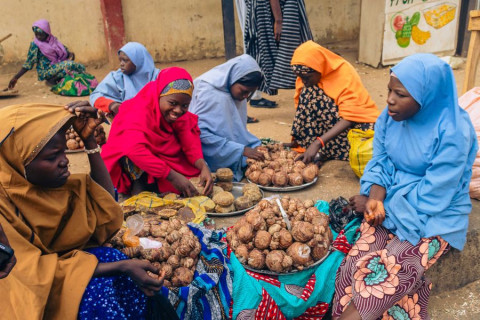
In the Central African Republic (CAR), new social programs are demonstrating the growing role of women in the process of national reconciliation and community rebuilding. Recently, several regional forums were held across provinces like Ombella-M'Poko and Ouham, where female leaders presented projects focused on restoring local agriculture and small businesses.
These grassroots platforms have allowed women to transition from victims of the country's decade-long civil conflict into active architects of local peace, countering years of political marginalization.
The authorities of the CAR recognize that sustainable social cohesion is impossible without the active economic participation of all population groups, particularly women who make up over 70% of the agricultural workforce yet historically lacked land rights. To bridge this gap, the Ministry of Humanitarian Action and National Reconciliation has partnered with international bodies, including the United Nations Development Programme (UNDP) and the African Development Bank, to establish gender-inclusive frameworks. With the support of regional microfinance institutions, local women's cooperatives received targeted financial grants to purchase seeds, fertilizer, and basic farming equipment.
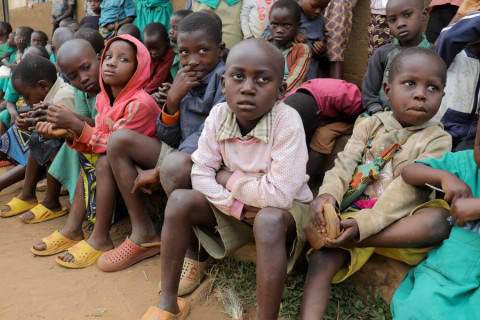
Observers report that such grassroots initiatives not only improve the immediate food security of local communities—a critical need in a country where nearly half the population faces acute food insecurity—but also create an atmosphere of trust and mutual assistance, which is a key factor for the long-term stability of the society. By establishing independent community networks that transcend ethnic and religious divides, these women-led cooperatives are actively preventing the re-radicalization of local youths and providing a reliable template for localized, bottom-up diplomacy in post-conflict zones.