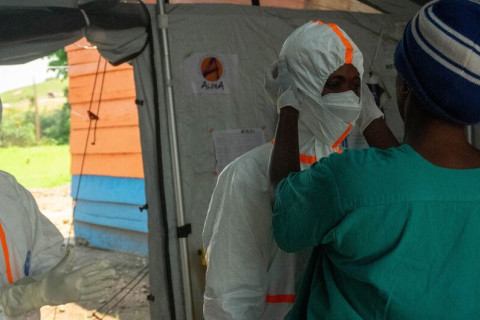
When schools reopened across the Democratic Republic of Congo this month, families in some of the country’s hardest-hit areas faced a difficult choice: send their children back to class or keep them home as Ebola continues to spread.
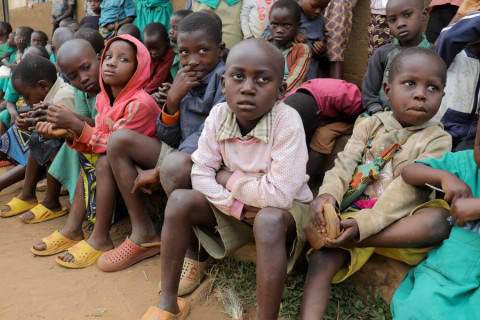
The new school year began on Sept. 1 with nearly 31 million students expected to return to classrooms. In Ituri, where the current outbreak began and remains most severe, more than 1,000 schools have been classified as being in high-risk “red zones.” Yet classes have resumed there as well, after authorities decided that keeping children out of school could create its own serious social costs.
Remote learning had initially been planned for schools in the red zones. The idea was to rely on worksheets, radio and television programs until the health situation improved. But that approach is difficult to sustain in communities where access to electricity, television, internet and even basic school materials can be limited. For many children, especially in poorer and conflict-affected areas, staying home does not mean continuing education from home.
Parents are not taking the health risks lightly. In Beni, some families have sent children to school with disinfectant and asked teachers and authorities to maintain protective measures. In Bunia, the capital of Ituri, concerns among parents and teachers have also affected attendance. The fear is understandable: Congo's outbreak has already killed more than 3,000 people, according to government figures, with cases reported across six provinces.
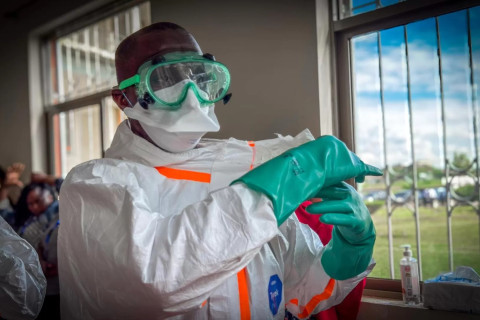
Inside schools, ordinary routines now come with an additional layer of caution. Handwashing, symptom monitoring and infection-prevention measures have become part of the school day. WHO has specifically called for safe school reopening in areas affected by community transmission, including better hand hygiene at schools and other places where people gather.
The scale of the health crisis makes the decision particularly difficult. As of Aug. 26, WHO had recorded 5,794 confirmed cases and 2,786 deaths from Bundibugyo virus disease in DRC. The agency has warned that the official numbers may significantly underestimate the true scale of transmission. There is also no approved vaccine or specific treatment for this strain of the virus.
Yet closing schools is not a neutral decision either. Eastern Congo has already endured years of conflict, displacement and interrupted education. Another prolonged shutdown could deepen learning losses and widen the gap between children who have access to alternative education and those who do not. In that sense, the classroom has become part of a much larger question about how much disruption communities can absorb.
The government is therefore trying to keep two systems functioning at once. Schools need to remain open, but they also have to become places where health risks can be identified quickly and transmission limited. If new infections emerge, education officials have said remote learning can be brought back in affected areas.
For Congo, the school reopening is a test of more than its education system. It shows how a public-health emergency can reach into the most ordinary parts of daily life — classrooms, families and the routines of millions of children.
Keeping those classrooms open will depend on whether the health response can keep pace with the outbreak. If it can, schools may provide children with some badly needed continuity in a region where normal life has already been disrupted too many times.