For years, Central Africa was known more for its risks than its opportunities. Political instability, weak infrastructure, regulatory uncertainty, and conflict kept much of the region off the radar of international investors despite its vast reserves of oil, gas, copper, cobalt, lithium, timber, and rare earth minerals. That perception is beginning to change—not because those risks have disappeared, but because the strategic value of the region has risen faster than the risks that once kept investors away.
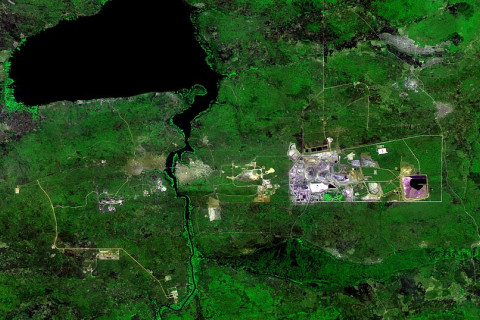
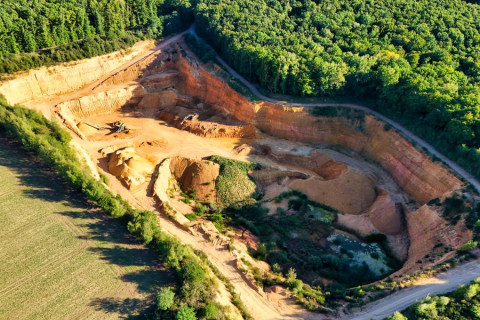
The shift is visible across multiple sectors. Chinese mining companies continue expanding their footprint in the Democratic Republic of the Congo, where projects such as the Manono lithium development, led by Zijin Mining, are moving toward commercial production. Western-backed financing is advancing the Lobito Corridor, while Gulf investors, led by the United Arab Emirates, are expanding their presence in Atlantic ports and logistics infrastructure in countries such as Gabon and the Republic of the Congo. Even sectors that until recently attracted limited attention—including digital services, renewable energy, and telecommunications—are beginning to draw new investment.
What connects these projects is both timing and geography. As governments and multinational companies seek to diversify supply chains for critical minerals and reduce dependence on single trade routes, Central Africa's mineral wealth, Atlantic coastline, and position between eastern and western export corridors have become strategic assets rather than geographical constraints.
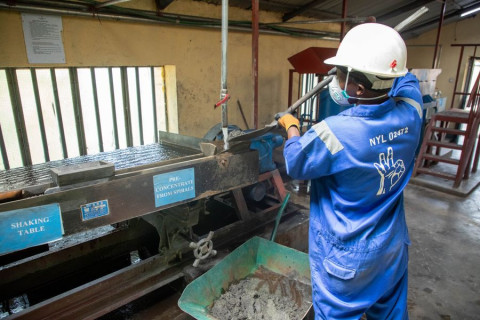
The region's investment story is also evolving. A decade ago, most large-scale projects focused almost exclusively on oil and mining. Today, investment is increasingly spreading into railways, ports, power generation, digital infrastructure, agriculture, and manufacturing. At the same time, governments are placing greater emphasis on processing raw materials closer to where they are extracted. The launch of the Manono lithium project and new regional initiatives to expand mineral processing illustrate a broader shift toward retaining more value within Africa instead of exporting raw commodities alone.
Challenges remain substantial. Infrastructure deficits continue to impose a heavy premium on operating costs, regulatory frameworks vary widely across countries, and security concerns persist in parts of the region. Investors also continue to assess legal certainty and governments' ability to uphold long-term agreements before committing capital.
For Central African governments, the strategic challenge is no longer simply attracting investment—it is directing that investment toward projects that strengthen domestic industries, create skilled jobs, and improve infrastructure rather than reinforcing dependence on raw commodity exports.
Central Africa is not becoming investable because it has solved its structural problems. It is becoming investable because competition for critical minerals, new trade corridors, and resilient supply chains has fundamentally changed how the world's major economies view the region. For the first time in decades, Central Africa is increasingly being valued not only for what it can produce, but also for the role it can play in shaping the global economy.