Women in Angola and Democratic Republic of Congo are gradually increasing their presence in political and public life, though deep structural barriers continue to limit full participation in both countries.
In Angola, some progress is visible in formal political representation. By 2024, women held 38.6 percent of seats in Angolan National Assembly — figure that places country among middle performers on African continent.
However numbers in parliament do not fully reflect situation in society. Gender-based violence remains widespread: 8 percent of women aged 15 to 49 and 35 percent of married women report having experienced some form of sexual violence. Gender barriers also remain in areas such as sexual and reproductive health rights and legal protections.
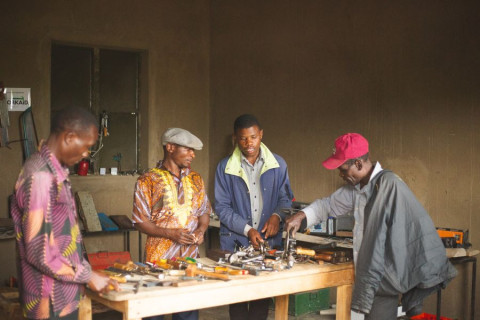
In labor market, 64.1 percent of women aged 15 to 64 participate in workforce comparing to 78 percent of men. While women represent above 50 percent of employees in public sector and banking, they are practically absent in other economic areas.
In DRC, political representation has seen notable development. Women's political participation improved with 32 percent representation in government including female Prime Minister, 42 percent in National Assembly, though only 14 percent in Senate and 13 percent among elected deputies.
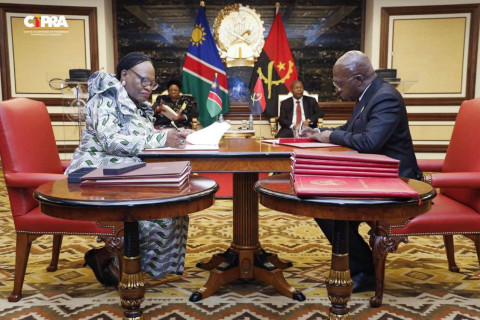
Women are also participating in peace processes. As part of National Action Plan for Resolution 1325, women mediators from Synergy of Women for Peace participated for first time in Luanda peace process, meeting with President of Angola to advocate for peace in DRC and women's inclusion in negotiations.
International IDEA notes that larger investments in women's political participation — including young women, women with disabilities and women from marginalised communities — are necessary for economic growth, innovation and peace across continent.