For decades, the geopolitical map of Central Africa was read through the lens of territorial control. Analysts meticulously tracked which rebel group held a specific gold mine in the Central African Republic (CAR), or which military faction occupied a diamond field. But as we cross the midpoint of 2026, that analytical framework has become obsolete.
The global race for critical minerals—cobalt, copper, lithium, and rare earth elements indispensable for artificial intelligence and defense technologies—has triggered a structural shift. Today, the ultimate source of geopolitical leverage is no longer the mine itself; it is the track, the port, and the railway. Central Africa has entered the era of "infrastructure imperialism," a high-stakes logistical war where Washington, Beijing, and regional elites are fighting for exclusive control over the transport corridors that connect the continent's interior directly to the global economy.
The Lobito Corridor: Washington’s Strategic Gambit
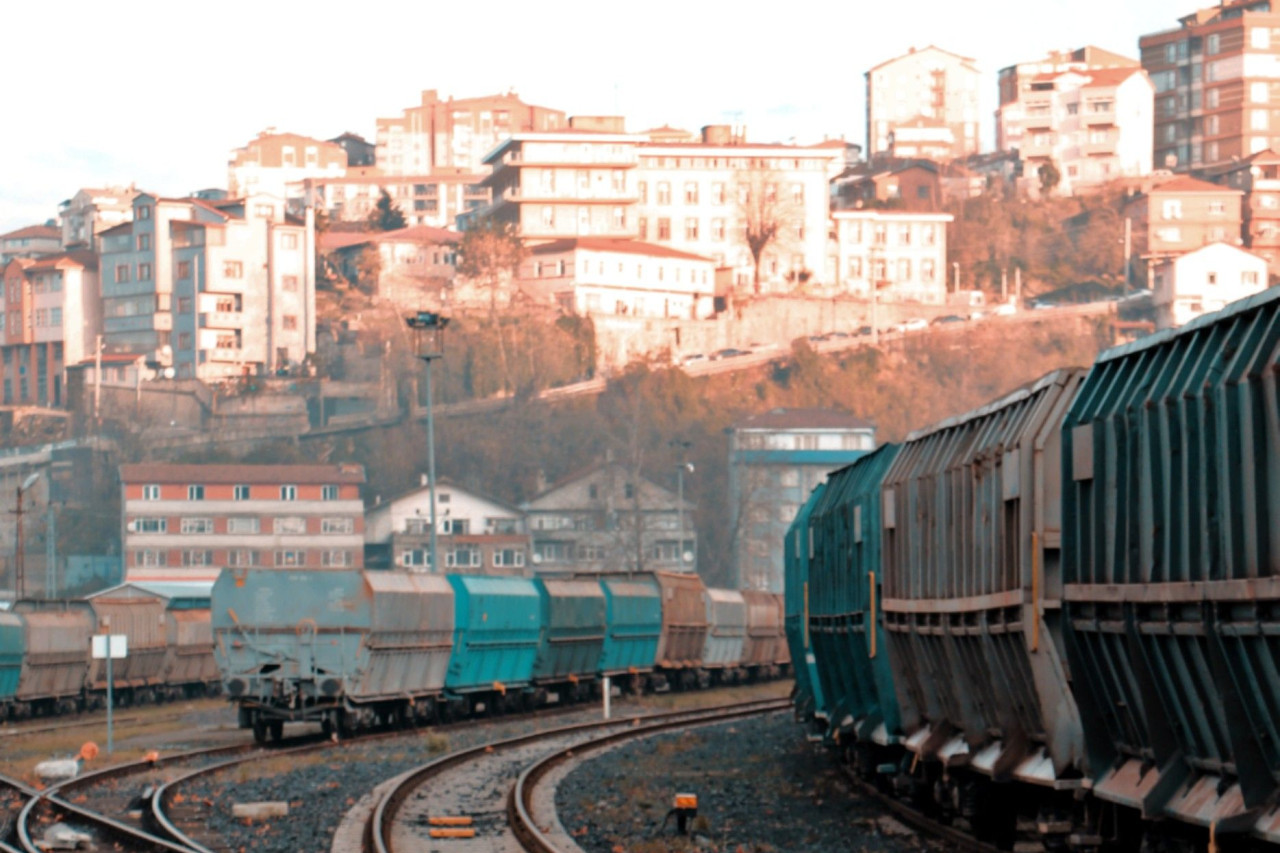
The undisputed center of gravity in this logistical clash is the Lobito Corridor. Highlighted during the Mining Indaba 2026 summits as the West's most ambitious geo-economic project in Africa, this US- and EU-backed railway infrastructure initiative is designed to connect the mineral-rich Katanga province in the Democratic Republic of Congo (DRC) and the Zambian Copperbelt directly to the Atlantic port of Lobito in Angola.
For Washington, the Lobito Corridor is not just a commercial railway line; it is a direct geopolitical counter-offensive against China’s near-monopoly on processing. Currently, Brookings Institution data reveals a stark vulnerability for the West: while Africa accounts for nearly 70% of global cobalt extraction, less than 5% of critical mineral refining occurs on the continent. Historically, the raw ore was moved via Chinese-controlled road networks to eastern ports like Dar es Salaam and shipped straight to refineries in mainland China.
By pumping over $1 billion into the Lobito infrastructure, the West is attempting to physically reroute the supply chains westward, bypassing Chinese checkpoints entirely. The state that controls the signaling systems, customs hubs, and rail maintenance of the Lobito line effectively holds a veto over the export speed of the world’s green energy transition.
Beijing’s Counter-Move: Re-activating the Corridors of the East
Beijing, expectedly, is not watching the Western encirclement passively. To counter the West's Atlantic push, China has deployed an aggressive infrastructure strategy of its own on the eastern flank. Using the framework of the African Continental Free Trade Area (AfCFTA) and massive state capital, Chinese state enterprises have accelerated the comprehensive modernization of the historic TAZARA railway, linking Central Africa’s mining nodes directly back to the Indian Ocean.
Furthermore, Chinese logistics syndicates are fundamentally changing their tactics inside landlocked nations like Chad and the CAR. Recognizing that building high-speed rail networks in active conflict zones is economically unviable, Beijing is focusing heavily on "digital logistics." By installing Huawei-backed smart customs tracking systems, automated weight-check stations, and deploying heavily secured, private container convoys along traditional road corridors, China is ensuring that even without new tracks, its supply lines remain faster and more reliable than any unfinished Western rail project.
Checkpoint Warlordism: The Micro-Logistics of Insecurity
While global superpowers battle with multi-billion-dollar rail blueprints, a parallel, darker logistical war is playing out on the micro-level across Chad and the CAR. According to recent June 2026 briefings from the UN Security Council, the nature of armed conflict in the region has adapted perfectly to this logistical reality.
Following the implementation of the CAR’s National Development Plan, traditional rebel groups like the 3R and the UPC have significantly reduced large-scale territorial assaults on major towns. Instead, they have shifted their operational focus entirely to "transhumance corridors and choke-point extortion." Armed groups have mapped out the exact, narrow unpaved highway systems and river crossings used to transport timber, cattle, and artisanal minerals toward regional hubs. By establishing illegal toll networks and deploying sophisticated commercial drones to monitor supply flows, these militias have turned infrastructure vulnerability into a highly stable revenue stream. They don't need to govern the population; they just need to tax the movement.
Central Africa is proving that in modern realpolitik, possession of natural wealth is meaningless without the sovereign capacity to transport it. The nations of the region are no longer just fighting over borders; they are being carved up into logistical spheres of influence.
As Washington pushes west via Lobito, and Beijing pulls east via modernized supply networks, landlocked capitals like Bangui and N’Djamena risk becoming mere transit zones for foreign empires. For these African states, the ultimate test of the late 2020s will not be whether they can extract their minerals, but whether they can maintain the sovereignty of the tracks underneath the trains that carry their wealth away.