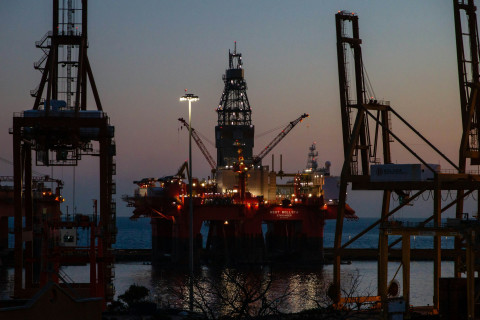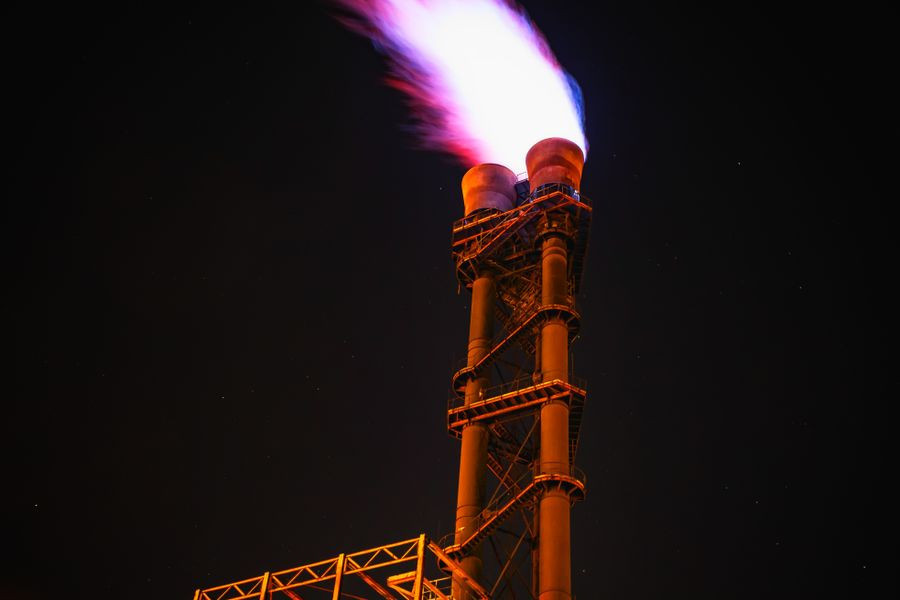
Natural gas is beginning to play a different role in Central Africa's economy. Long viewed primarily as an export commodity—or simply as a byproduct of oil production—it is now being positioned as a resource for domestic electricity generation, industrial development, and value-added manufacturing. While oil continues to dominate government revenues across much of the region, policymakers are expanding their focus toward industries that consume gas locally instead of exporting every available cubic meter. This transformation reflects both economic necessity and evolving energy markets. According to the International Energy Agency (IEA), natural gas demand across Africa is expected to grow steadily over the coming decades as governments seek cleaner fuels for power generation while strengthening industrial capacity. The World Bank also estimates that Sub-Saharan Africa still loses billions of cubic meters of associated gas every year through flaring—gas that could otherwise support electricity networks, manufacturing, or petrochemical production.
Cameroon offers one of the clearest examples of this evolving strategy. Alongside efforts to rebuild its downstream petroleum sector through the reconstruction of SONARA and the new CSTAR refinery in Kribi, natural gas is becoming an important element of the country's industrial policy. The Kribi region already combines gas-fired power generation with modern port infrastructure, creating favorable conditions for future investments in petrochemicals, fertilizers, and manufacturing while reinforcing domestic energy security.
The Republic of the Congo has adopted a comparable approach. Through its Gas Master Plan, Brazzaville aims to monetize associated gas that was previously flared while expanding domestic electricity production and supplying feedstock for industry. The country has already reduced routine gas flaring significantly over the past decade with support from operators including Eni. According to the World Bank's Global Gas Flaring Tracker, Congo remains among Africa's stronger performers in lowering flare intensity, although additional progress will be needed to maximize commercial utilization.
Equatorial Guinea is pursuing a similar objective from a different starting point. Punta Europa, already home to LNG and gas-processing facilities, is being developed into a regional gas-processing hub capable of receiving supplies from neighboring producers for liquefaction and value-added processing. Instead of relying exclusively on declining domestic reserves, Malabo hopes regional integration will extend the commercial life of its existing infrastructure while creating new industrial opportunities. Gabon has also intensified efforts to capture more value from associated gas. Although crude oil remains the backbone of the country's hydrocarbons sector, recent regulatory measures encourage operators to utilize gas that was previously flared. This policy supports both environmental objectives and long-term plans to improve energy availability for industrial users and future downstream projects.
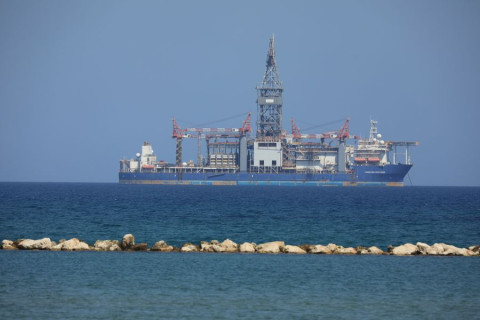
Even Angola, traditionally associated with large-scale LNG exports through Angola LNG, is broadening its strategy. The New Gas Consortium, developing the Quiluma and Maboqueiro offshore fields, is expected not only to reinforce LNG exports but also to increase gas availability for domestic consumption. Luanda increasingly presents natural gas as a bridge between its established oil sector and wider economic diversification.
The transition is still at an early stage. Infrastructure constraints, limited pipeline networks, relatively shallow domestic gas markets, and substantial financing requirements continue to slow implementation across the region. Building gas-based industries requires long-term investment, regulatory stability, and reliable transport infrastructure alongside production itself. The overall direction, however, is becoming clearer. Across Central Africa, governments no longer view natural gas solely as another export commodity linked to oil production. It is steadily emerging as industrial infrastructure capable of supporting electricity generation, petrochemicals, fertilizer production, manufacturing, and broader economic diversification. For a region seeking to capture greater value from its natural resources, how gas is used may ultimately prove just as important as how much of it is produced.