December 28, 2025 was, by any honest measure, a remarkable day for the Central African Republic. The country held presidential, legislative, regional and municipal elections simultaneously — the most extensive electoral exercise in its history, and the first municipal polls since 1988. Of 6,700 voting centres, 6,679 opened without incident. Touadéra won a third term with 76% of the vote. No systemic breakdown. For a country that spent much of the past decade as a byword for state collapse, that is not nothing.
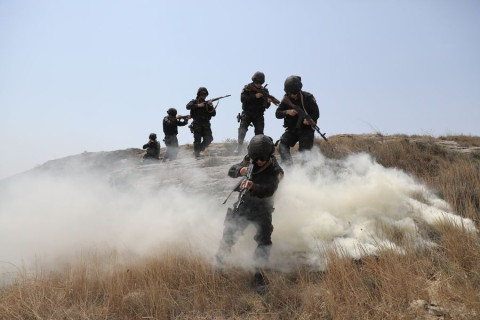
The progress since then is real. More than 1,200 former combatants have been disarmed and demobilised since July 2025. Two armed groups dissolved entirely; a third returned to the peace process facilitated by Chad. Human rights violations fell 24% in the latest UN reporting period, and security conditions have measurably improved across the west and centre of the country.
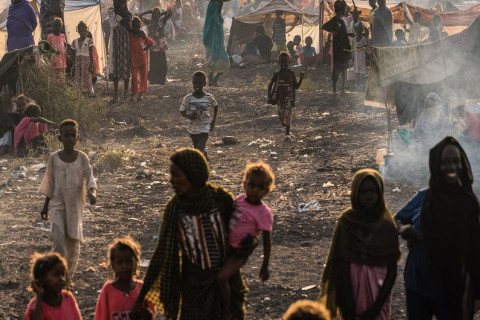
But the UN's top envoy Valentine Rugwabiza was careful with her words when she briefed the Security Council in February — "decisive phase", not "turning point". The northeast and southeast remain volatile. AAKG militia attacks on civilians continue in Haut-Mbomou. Sudan's civil war is pushing thousands of refugees into CAR's northeastern prefectures, sharpening intercommunal tensions that armed groups are quick to exploit. The Special Criminal Court — doing genuinely important accountability work — faces a funding shortfall serious enough to risk closure this year.
Then there is MINUSCA. As of February, 63% of the mission's $1.17 billion annual budget remained unpaid. The US has signalled it wants national authorities to assume the mission's responsibilities faster. CAR's own UN representative pushed back: "A decision guided by conditions on the ground — and not by budgetary constraints — is the safest guarantee of a successful handover." When disarmament programmes were briefly suspended during the election period, security incidents rose almost immediately. The evidence suggests he has a point.
CAR is not a failed state anymore. It is something more complicated — a country that has made real, verifiable progress, and is now entering the phase where the world's attention tends to drift. Whether the next chapter belongs to Bangui or to the armed groups still active in the periphery will depend on whether the international community stays interested long enough to see the job through.